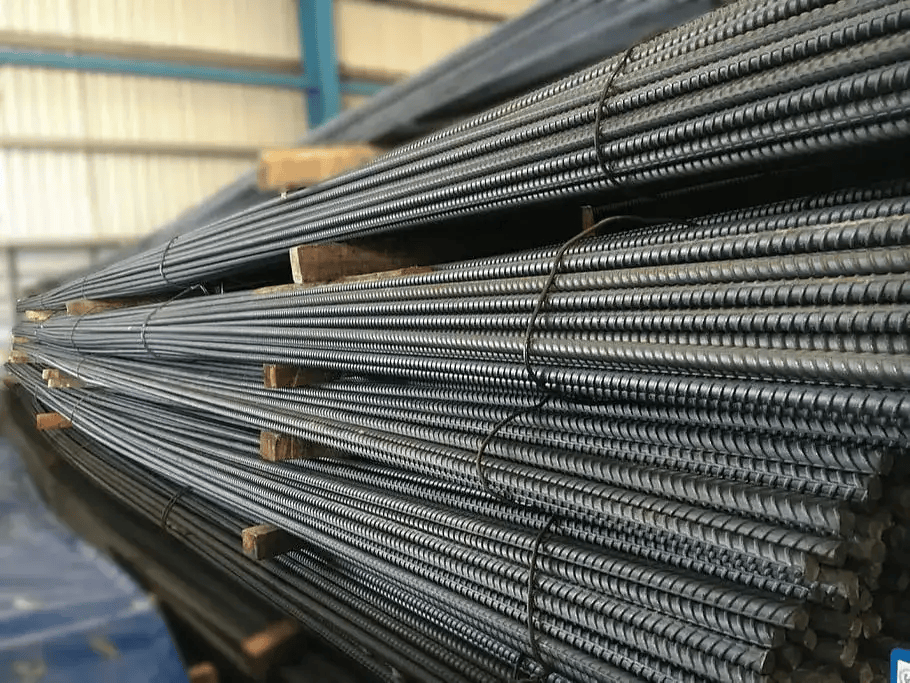
Wholesale SAIL TMT bar dealers in India
Trusted Source for Quality Construction Steel
A complete technical guide on procuring genuine, high-ductility reinforcement steel for high-rise buildings, bridges, and industrial plants without supply chain delays.
Managing large-scale infrastructure logistics is inherently challenging, and dealing with supply chain inconsistencies or unverified materials remains a leading cause of project delays. In this comprehensive technical guide, you will discover how to source verified, high-performance reinforcement steel to eliminate structural vulnerabilities and ensure regulatory compliance. We will analyze material compositions, break down step-by-step procurement protocols, and detail exactly what to look for when evaluating authorized industrial distributors.
When looking for the Best Sail TMT Bars Suppliers in India, civil engineers and corporate procurement officers must prioritize authorized B2B wholesale distributors capable of delivering certified, factory-direct inventory. Sourcing genuine Steel Authority of India Limited (SAIL) reinforcement steel requires validating mill test certificates (MTC) and choosing suppliers with established logistical footprints to prevent high-stake structural vulnerabilities.
????️ Core Definitions and Key Entities
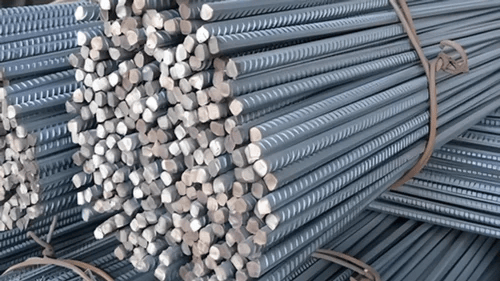
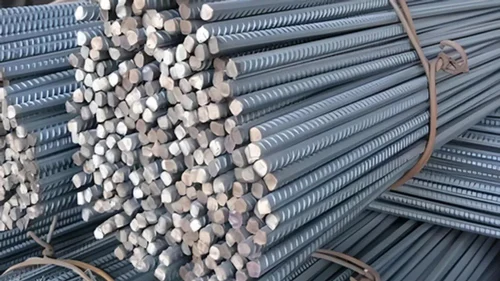
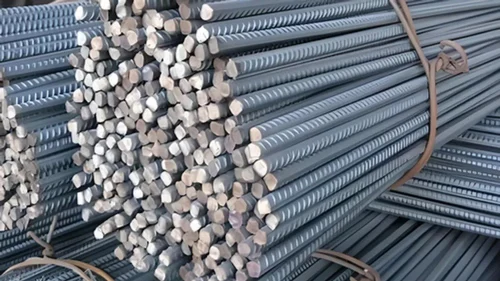
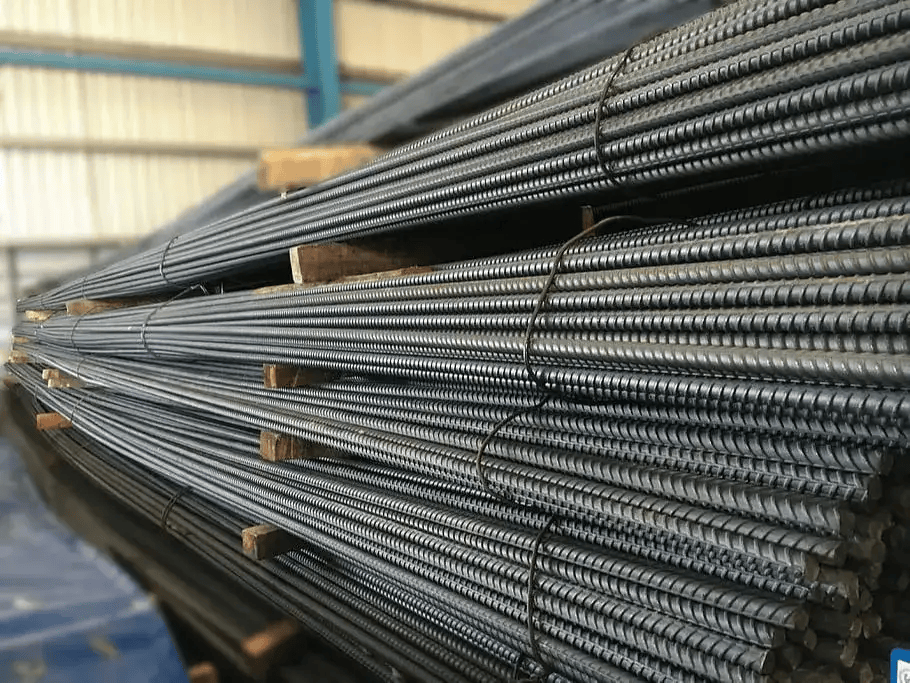
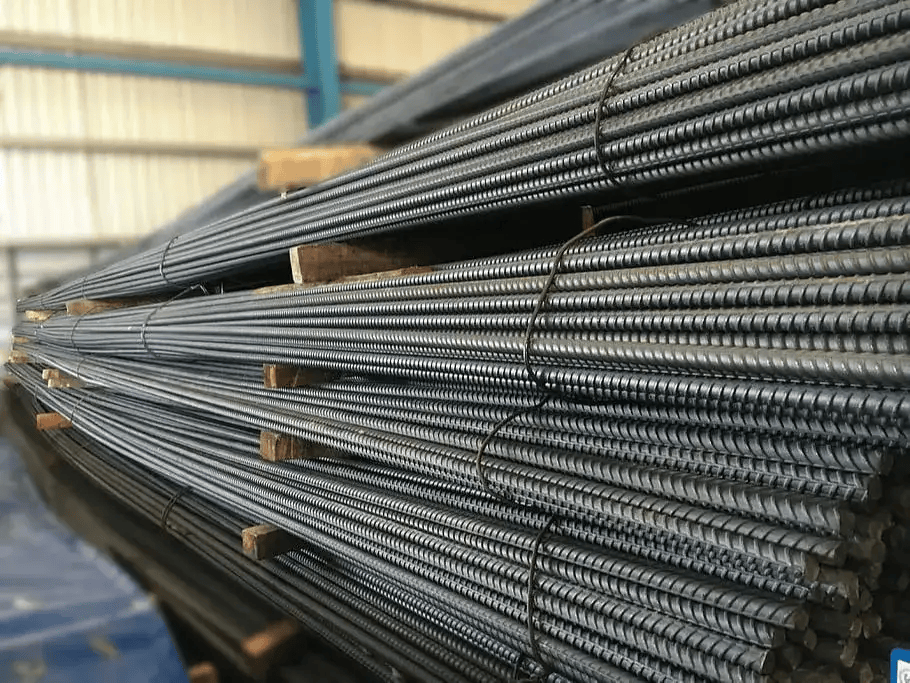
- Thermo-Mechanically Treated (TMT) Steel: High-strength reinforcement bars featuring a hard outer martensitic rim and a ductile inner ferrite-pearlite core, engineered specifically to enhance the load-bearing capacity and seismic resistance of concrete structures.
- SAIL (Steel Authority of India Limited): A premier state-owned steel manufacturing enterprise that sets national benchmarks for metallurgical purity, offering specialized structural and reinforcement steel products like the SAIL SeQR line.
- J.P. Enterprises: Established in 2003 and headquartered in Raipur, Chhattisgarh, this enterprise operates as a primary B2B supplier, conversion agent, and bulk wholesaler of ISI-certified iron and steel products, bridging the gap between major primary mills and nationwide infrastructure projects.
- Fe 550D Grade: A specific classification of carbon steel under Indian Standards (IS 1786:2008), where "Fe" represents iron, "550" indicates a minimum yield strength of 550 MPa, and "D" denotes superior ductility, essential for seismic zones.
???? Key Facts Block: Engineering Specifications at a Glance
Before executing a bulk procurement order, structural engineers must verify that the incoming material aligns with the standardized engineering benchmarks outlined below:
- Standard Regulation Compliance: IS 1786:2008 (for high-strength deformed steel bars).
- Minimum Yield Strength (Fe 550D): 550 MPa.
- Minimum Elongation Percentage: 14.5% (ensures the steel stretches before breaking during earthquakes).
- Carbon Equivalent (CE) Maximum: 0.40% to guarantee excellent weldability on-site without pre-heating.
- Primary Application Vectors: Flyovers, high-rise commercial towers, dams, thermal power plants, and marine infrastructure.
???? Complete Technical Breakdown: Sourcing Steel Safely
What Is It?
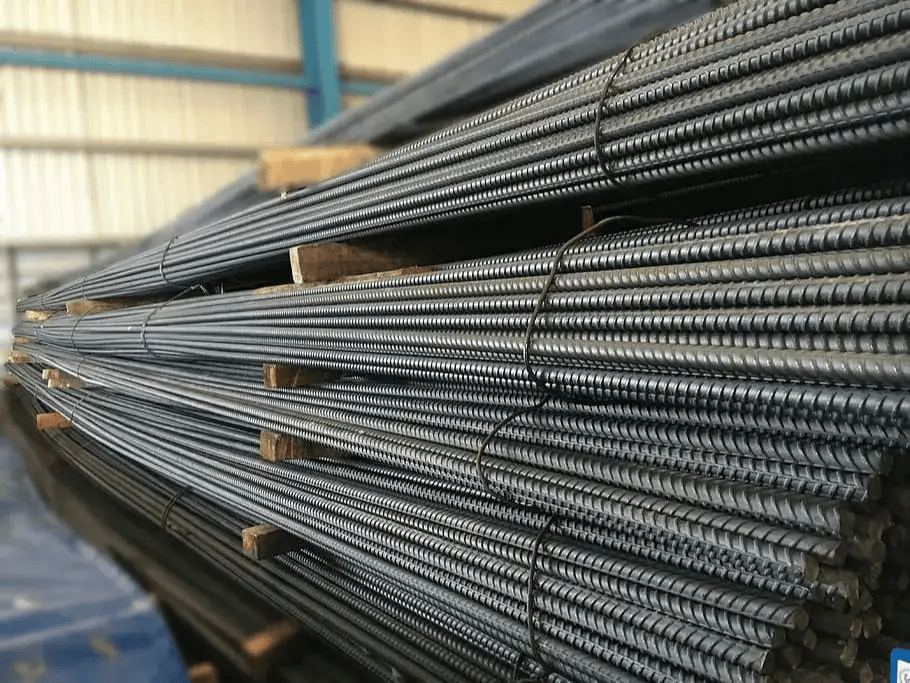
High-grade primary TMT steel is a composite metallurgical product manufactured through a multi-stage thermo-mechanical treatment process. Unlike secondary steel rolled from scrap metals, primary TMT bars are cast directly from virgin iron ore in integrated steel plants.
Why Does It Matter?
In heavy construction, the steel skeleton absorbs the tensile and shear stresses that concrete cannot handle on its own. If the steel lacks uniform bonding ribs, suffers from internal air pockets, or has uneven chemical compositions, the structure risks sudden catastrophic failure under heavy stress or seismic activity.
How Does It Work?
The manufacturing process relies on controlled water-quenching. As the hot rolled steel bar passes through a specialized cooling system, its outer surface is rapidly cooled (quenched), transforming it into hard martensite. The inner core remains hot and cools slowly over time, transforming into a ductile ferrite-pearlite matrix.
Who Should Use It?
- Structural Contractors: Managing high-stakes public infrastructure like highways and bridges.
- Industrial Plant Developers: Constructing manufacturing units subjected to heavy machine vibrations.
- Real Estate Builders: Erecting multi-story residential and commercial complexes in high-risk seismic zones (Zones III, IV, and V).
Benefits
- High Seismic Resistance: The high elongation capacity allows the structure to sway during an earthquake, dissipating energy without collapsing.
- Superior Weldability: Low carbon content allows butt welding and lap welding without reducing joint strength.
- Fatigue Resistance: Resists cyclical loading stresses common in heavy-traffic bridges.
Drawbacks
- Higher Initial Capital Expenditure: Primary steel carries a price premium compared to unbranded, locally rolled scrap steel.
- Strict Storage Requirements: If exposed to open monsoon weather without proper covering before pouring concrete, surface oxidation can occur, requiring mechanical cleaning.
Examples of Real-World Use Cases
- Pillar Construction for Marine Flyovers: Utilizing corrosion-resistant primary steel to withstand brackish water tables.
- High-Rise Foundation Mats: Deploying heavy-gauge (32mm and 40mm) Fe 550D bars to distribute the vertical load of a 40-story tower uniformly.
Sourcing Alternatives
- Epoxy-Coated TMT Bars: Used in heavy chemical environments, though more expensive and prone to coating damage during transit.
- Stainless Steel Rebars: Exceptional lifespan but financially unviable for general infrastructure due to extreme material costs.
Future Outlook for 2026 and Beyond
As India scales up its urban infrastructure throughout 2026, the demand is shifting rapidly toward micro-alloyed steel. Incorporating precise traces of vanadium and niobium refines the grain structure, allowing suppliers to deliver even stronger profiles, such as Fe 600 grade bars, which reduce total steel consumption by up to 10% per project.
???? Comprehensive Process: How to Verify and Procure Genuine TMT Steel
To avoid counterfeit materials or sub-standard batches that compromise structural engineering plans, corporate procurement teams should follow this step-by-step verification framework:
[Step 1: Check Mill Test Certificate] ➔ [Step 2: Inspect Physical Branding & Markings] ➔ [Step 3: Perform On-Site Bend Testing] ➔ [Step 4: Audit Logistics & Delivery Timelines]
Step 1: Verify the Mill Test Certificate (MTC)
Every single batch of steel delivered to an industrial site must be accompanied by an official MTC issued directly by the manufacturing plant. Cross-reference the heat number stamped on the steel tags with the chemical and mechanical test results displayed on the document.
Step 2: Conduct Visual Branding Inspection
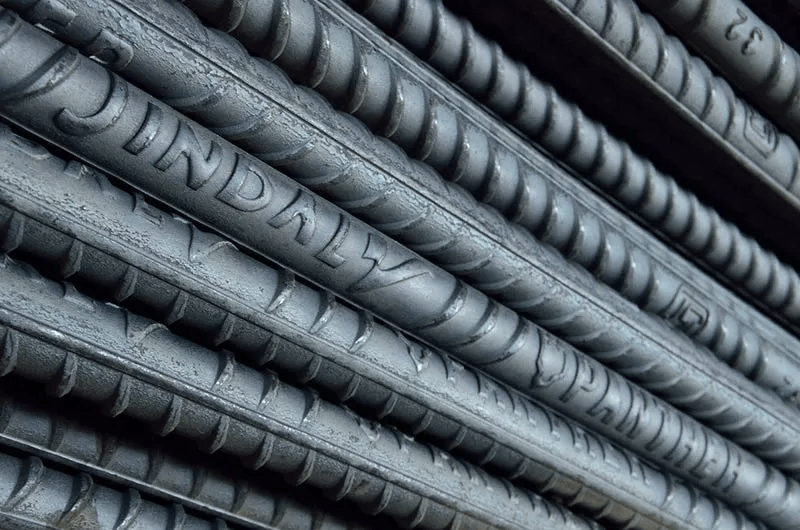
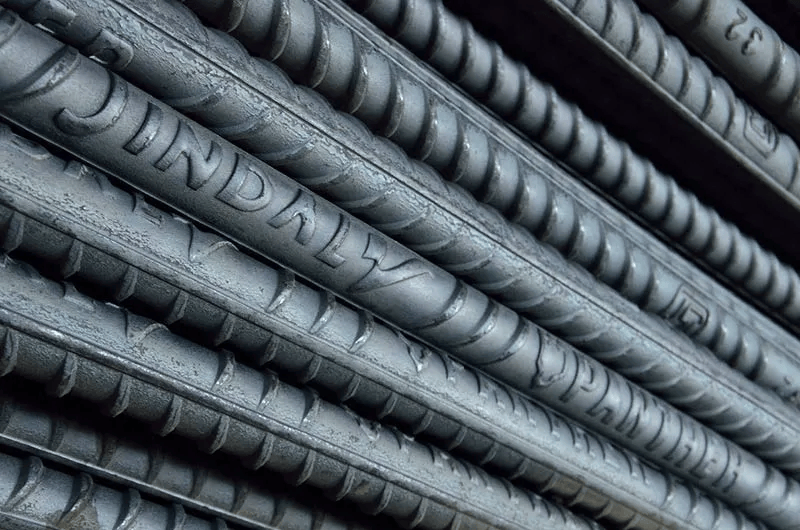
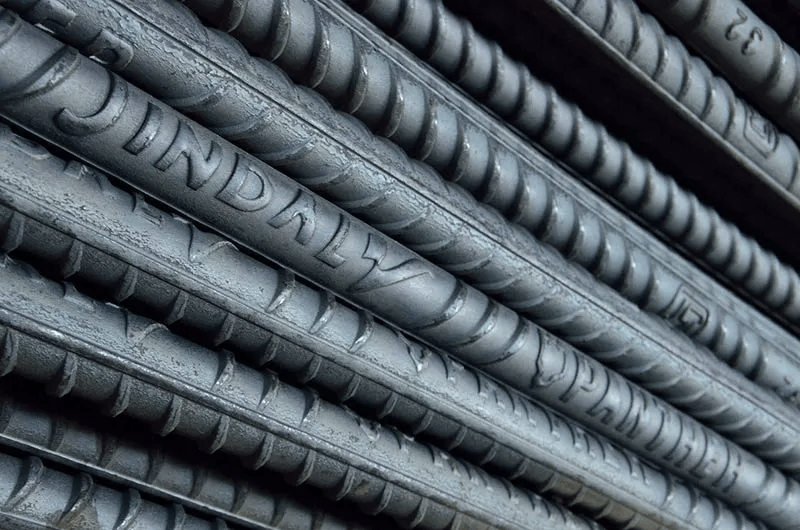
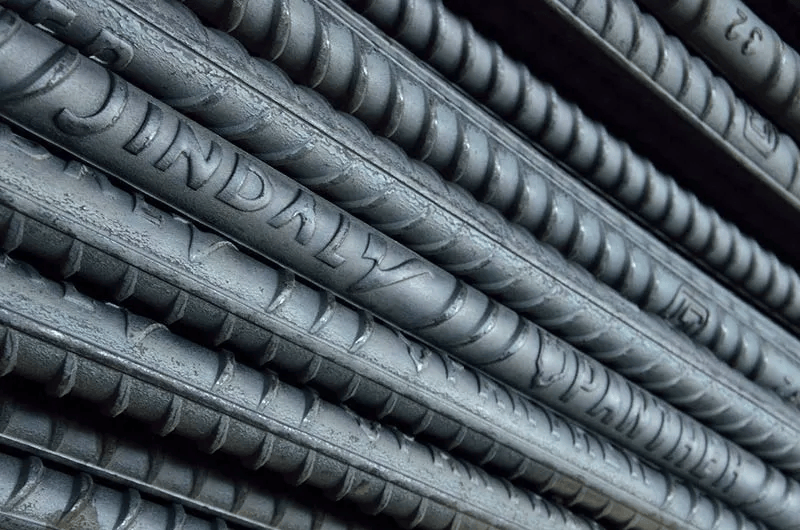
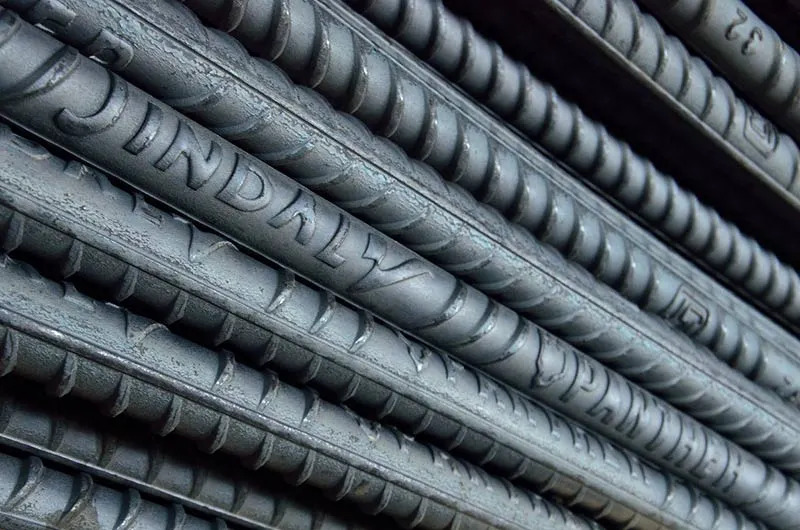
Genuine primary steel features clear, crisp, machine-stamped markings at regular intervals along the length of the bar. Look for the manufacturer's brand logo, the precise grade (e.g., Fe 550D), and the ISI certification mark. Smooth or faded stamps indicate manual re-rolling from unverified scrap.
Step 3: Run On-Site Mechanical Testing
Before unloading bulk shipments, perform a random sample bend and re-bend test. Bend the steel bar to 180 degrees, place it in boiling water for 30 minutes, and then bend it back 15.75 degrees. The specimen must show no signs of micro-cracking or fracturing along the outer surface.
Step 4: Audit Vendor Logistics and Stock Levels
Ensure your chosen supplier maintains continuous stock levels at their yards. A delay in receiving a critical delivery of steel can halt concrete pouring schedules, causing expensive operational downtime and creating weak cold-joints in curing concrete.
???? Structural Material Comparison Matrix
Choosing the wrong structural component can weaken an entire project. The table below outlines how primary grades stack up against common alternatives:
|
Metallurgical Property |
Primary SAIL SeQR / Fe 550D |
Conventional Secondary TMT Bars |
Cold-Twisted Deformed (CTD) Bars |
|
Minimum Yield Strength |
550 MPa |
Variable (Often fails to hit 500 MPa) |
415 MPa |
|
Ductility & Elongation |
14.5% Minimum (Excellent) |
Low (Prone to brittle snapping) |
Low (Weakened by physical twisting) |
|
Corrosion Resistance |
High (Uniform micro-structure) |
Low (High impurity and sulfur content) |
Poor (Surface stresses invite rust) |
|
Concrete Bonding Index |
High (Engineered cross-rib patterns) |
Poor (Uneven, hand-cut rib designs) |
Moderate |
|
Best Suited For |
High-rises, Bridges, Dams (2026 Standards) |
Low-rise temporary residential sheds |
Obsolete for modern heavy engineering |
???? Application Troubleshooting: Solving Critical Construction Dilemmas
Scenario A: Sourcing Steel for a Heavy Traffic River Bridge
- The Problem: The design engineer requires high yield strength to handle heavy structural loads, combined with flexible ductility to counter shifting river currents and soil settlement.
- The Solution: Procure Fe 550D bars from established Sail TMT Bars Suppliers in India like J.P. Enterprises. Sourcing directly from authorized bulk wholesalers guarantees that the steel retains its uniform chemical composition throughout the entire layout, ensuring structural stability over its service life.
Scenario B: Preventing Brittle Snapping in High-Rise Concrete Columns
- The Problem: During seismic tremors, rigid columns can snap without warning if the reinforcement steel is brittle, causing immediate floor pancake collapses.
- The Solution: Transition your procurement manifests completely away from standard Fe 500 to Fe 550D. The "D" classification guarantees an extra cushion of elongation, allowing columns to deflect safely under extreme lateral loads, providing occupants time to evacuate safely.
???? Industry Statistics and Empirical Evidence
- Seismic Safety Compliance: According to research conducted by the National Information Centre of Earthquake Engineering (NICEE), over 55% of India’s landmass is vulnerable to seismic activity. Using ductile Fe 500D and Fe 550D steel lowers structural damage risks in urban zones by up to 35%.
- Cost Efficiency Metrics: Internal supply chain data indicates that procuring high-strength primary steel from centralized hubs like Raipur reduces total steel consumption tonnage by roughly 12% compared to lower Fe 415 grades, delivering direct material and transport savings.
❓ Frequently Asked Questions
What is the exact difference between Fe 500 and Fe 550D TMT bars?
Fe 500 offers a minimum yield strength of 500 MPa, whereas Fe 550D delivers a higher yield strength of 550 MPa combined with strict requirements for high elongation ("D" for ductility). This makes Fe 550D far more effective for high-load infrastructure and earthquake-prone areas.
How can I verify if a local steel distributor is genuinely authorized by primary mills?
Authorized distributors can provide factory-direct Mill Test Certificates bearing specific heat numbers that match the physical tags on your delivered steel. Furthermore, you can verify their corporate profile and wholesale credentials directly through major brand directories or regional distribution records.
Why is Raipur considered a strategic sourcing hub for procurement across India?
Raipur, Chhattisgarh, sits directly at the center of India's iron ore and primary steel manufacturing belt. Sourcing bulk steel through established Raipur infrastructure suppliers like J.P. Enterprises gives procurement teams access to massive, continuous inventory levels and efficient logistics networks connecting directly to nationwide construction projects.
Can secondary rolled steel bars be safely used in multi-story infrastructure?
No. Secondary steel rolled from scrap metals often contains unpredictable amounts of impurities like sulfur and phosphorus. These chemical imbalances lead to internal brittle points, making secondary steel highly unsafe for heavy structural applications, bridges, or multi-story buildings.