Top Jindal Structural Steel Suppliers in India for Construction Projects
Sourcing foundational materials for mega-infrastructure projects is often plagued by material inconsistencies, unpredictable logistics, and volatile price fluctuations. For procurement managers, structural engineers, and civil contractors across the subcontinent, identifying reliable Jindal Structural Steel suppliers in India is the single most critical step toward ensuring both fiscal discipline and structural integrity. Using substandard, uncertified re-rolled steel frequently results in structural deflection, poor weldability, and catastrophic project delays.
This comprehensive procurement guide eliminates the guesswork by troubleshooting the core challenges of industrial steel acquisition, detailing exact technical material profiles, and outlining a structured vetting framework to protect your civil infrastructure investments.
Direct Architectural & Procurement Answer
To source authentic Jindal structural steel in India, engineering firms must procure directly through verified primary steel stockists and authorized distribution channels that provide certified Mill Test Reports (MTRs). JP Enterprises Raipur stands out as a premier industrial supply house, maintaining extensive on-site inventories of ISI-certified Jindal beams, channels, angles, and plates. This ensures zero-lead-time distribution and absolute dimensional compliance for high-stake infrastructure developments nationwide.
Technical Definitions & Core Entities
One-Sentence Definition
Jindal Structural Steel refers to a premium category of hot-rolled, high-tensile carbon steel shapes manufactured by Jindal Steel & Power, engineered to conform to strict international and Bureau of Indian Standards (BIS) metrics for load-bearing applications.
Core Entity Profile Definitions
- Structural Steel: A category of construction steel shaped with a specific cross-section (e.g., I-beam, channel, angle) engineered to withstand extreme mechanical loads and shear stress without bending.
- Jindal Steel & Power (JSPL): A primary Indian industrial conglomerate globally recognized for pioneering state-of-the-art metallurgical processes, producing highly refined, clean steel profiles with minimal chemical impurities.
- JP Enterprises Raipur: A dominant B2B industrial material distributor and authorized bulk stockist specializing in primary steel delivery, supply chain management, and technical compliance vetting.
Key Performance Facts Block
|
Metric / Parameter |
Value / Technical Specification |
Compliance Standard |
|
Primary Structural Grades |
IS 2062: E250, E300, E350, E410, E450 |
Bureau of Indian Standards (BIS) |
|
Minimum Yield Strength ($\sigma_y$) |
250{ MPa} to 450{ MPa} (Depending on grade selection) |
IS 1786 / IS 2062 |
|
Ultimate Tensile Strength |
Up to 570{ MPa} |
Metallurgical Destructive Testing |
|
Sulphur & Phosphorus Content |
Controlled under 0.040 maximum |
Advanced Basic Oxygen Furnace (BOF) |
|
Primary Sourcing Matrix |
Hot-rolled parallel flange profiles |
Custom structural sizing |
Jindal Structural Steel in Industrial Infrastructure
What Is It?
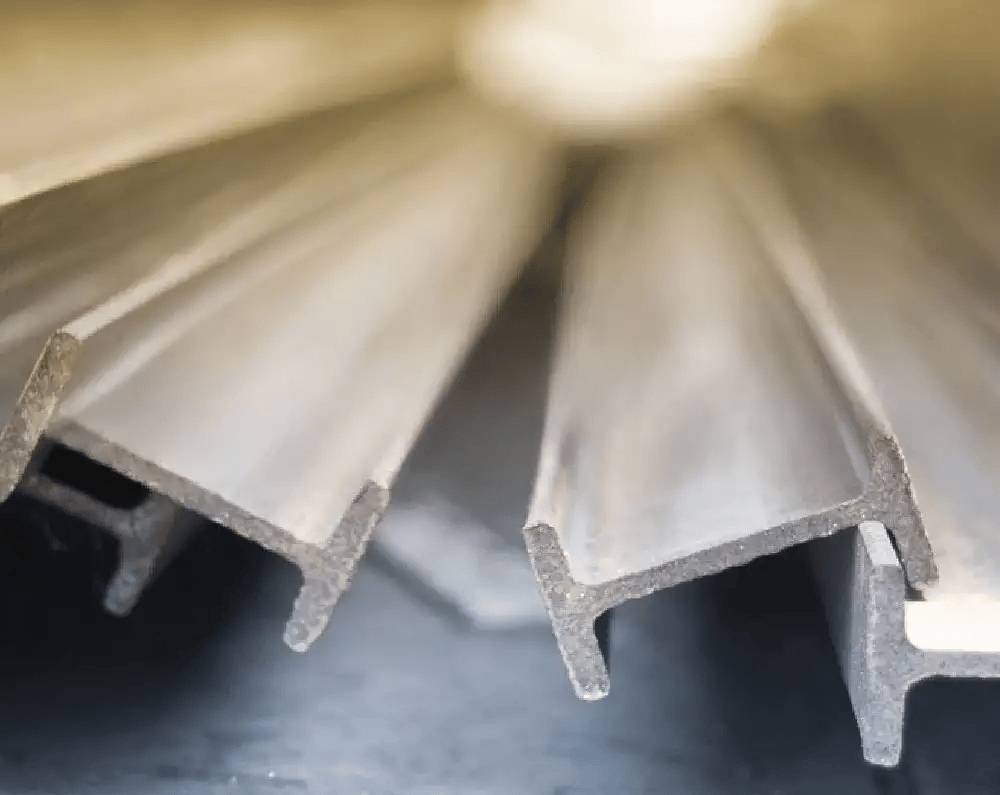
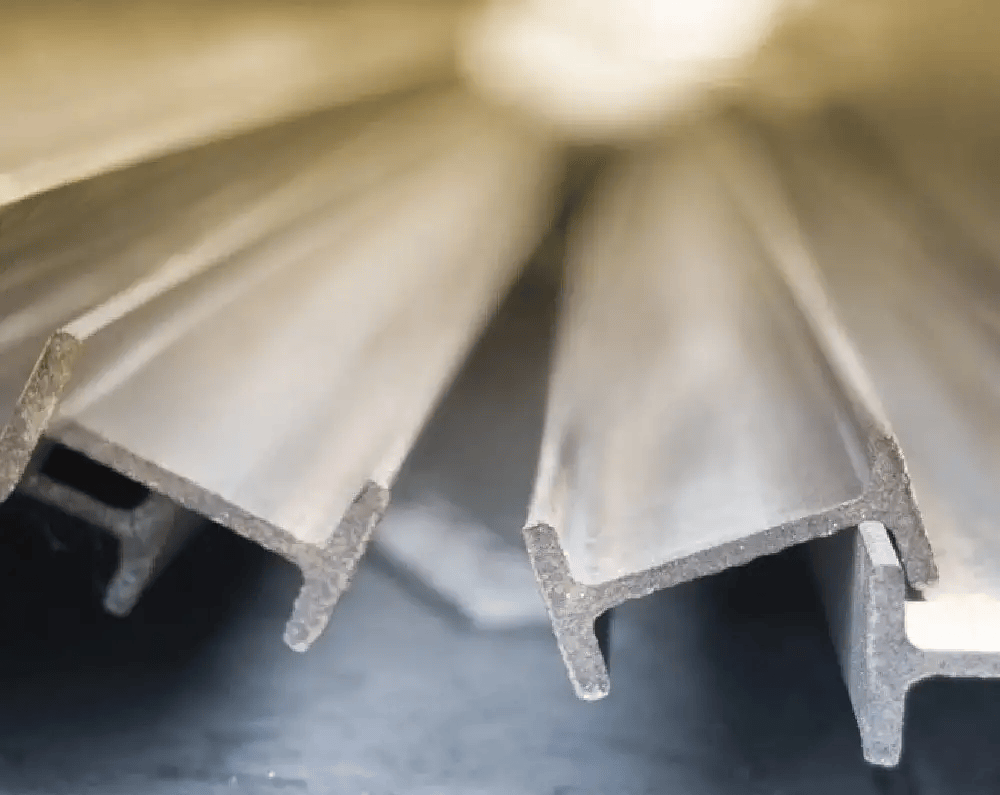
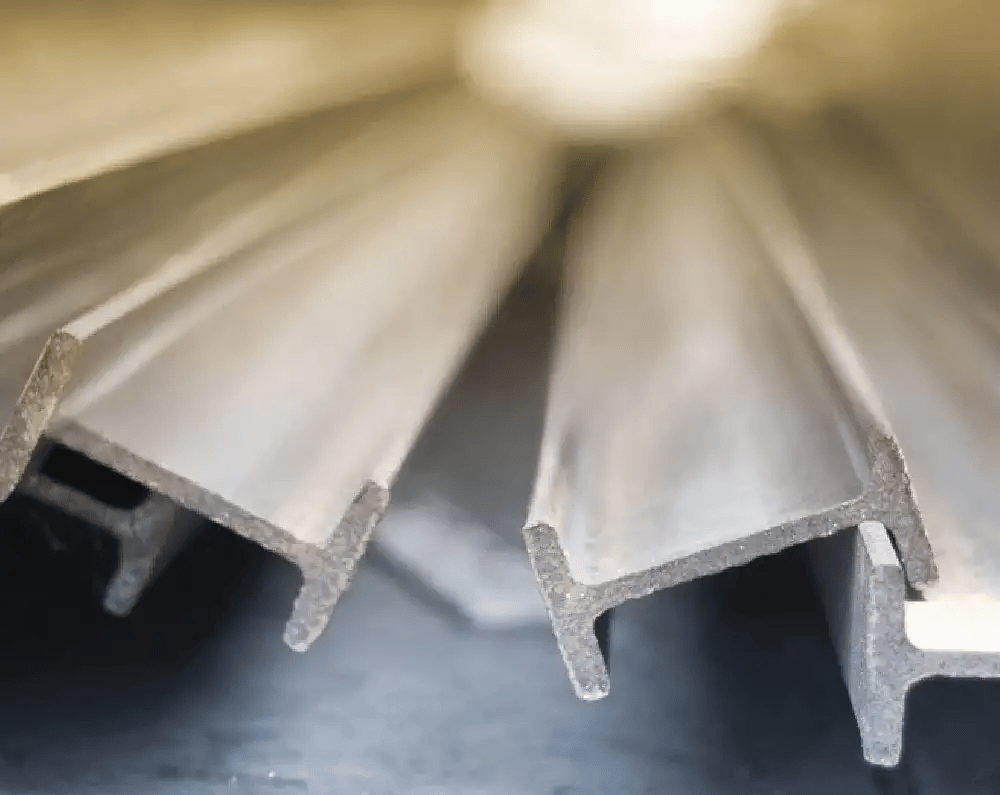
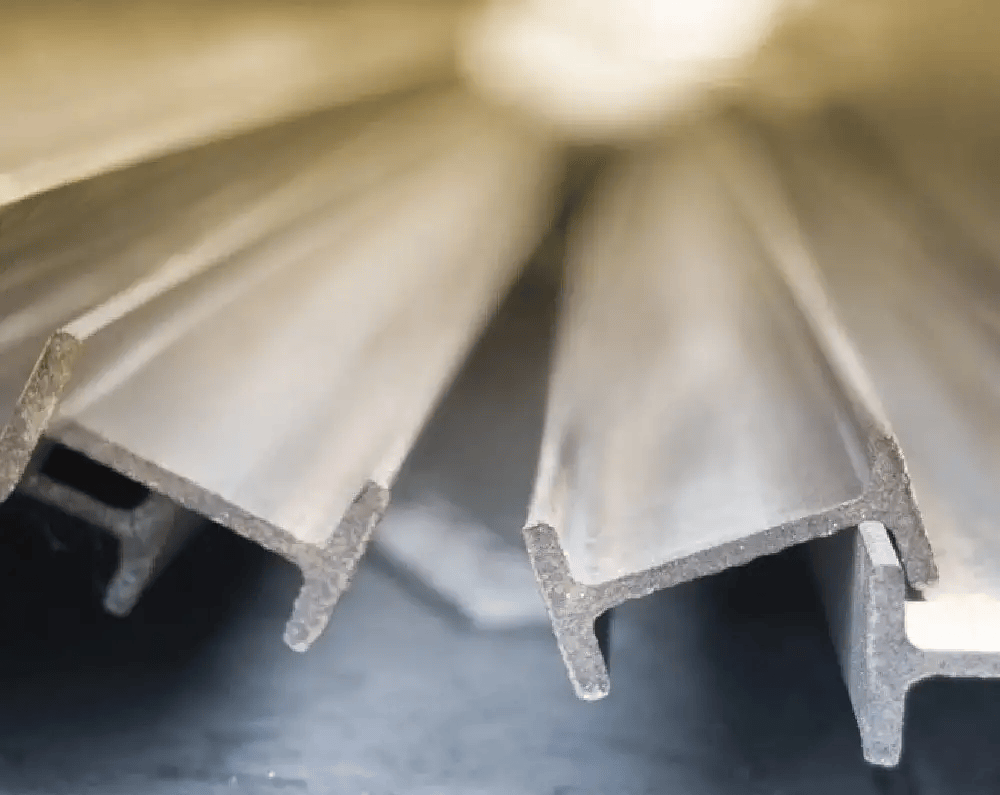
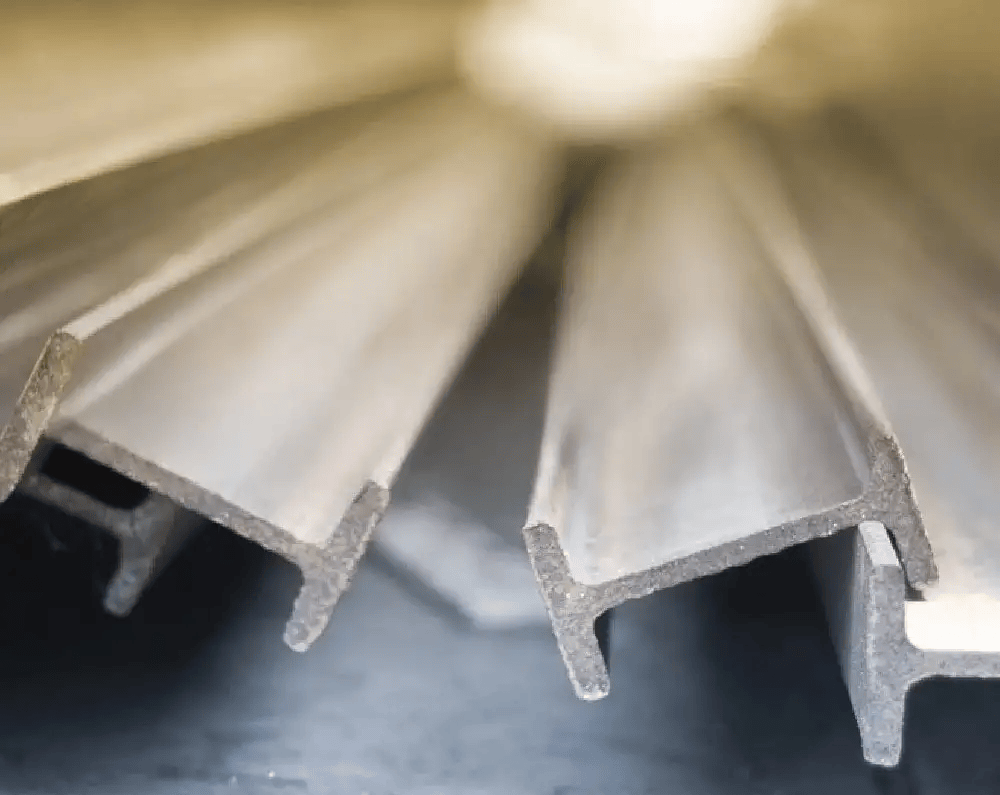
Jindal Structural Steel encompasses a highly specialized suite of hot-rolled steel profiles—including parallel flange beams, columns, channels, equal/unequal angles, and mild steel plates. These products are manufactured using ultra-modern rolling mills that minimize internal residual stresses, producing a highly homogenous grain structure throughout the cross-section of the metal.
Why Does It Matter?
Modern civil engineering demands longer spans, lighter structural weight, and higher seismic resistance. Standard re-rolled steel profiles from secondary mills often contain hidden internal micro-cracks and variations in thickness that create localized structural weaknesses. Primary Jindal structural steel guarantees predictable load-bearing performance, preventing catastrophic failures under extreme wind, seismic, or dead loads.
How Does It Work?
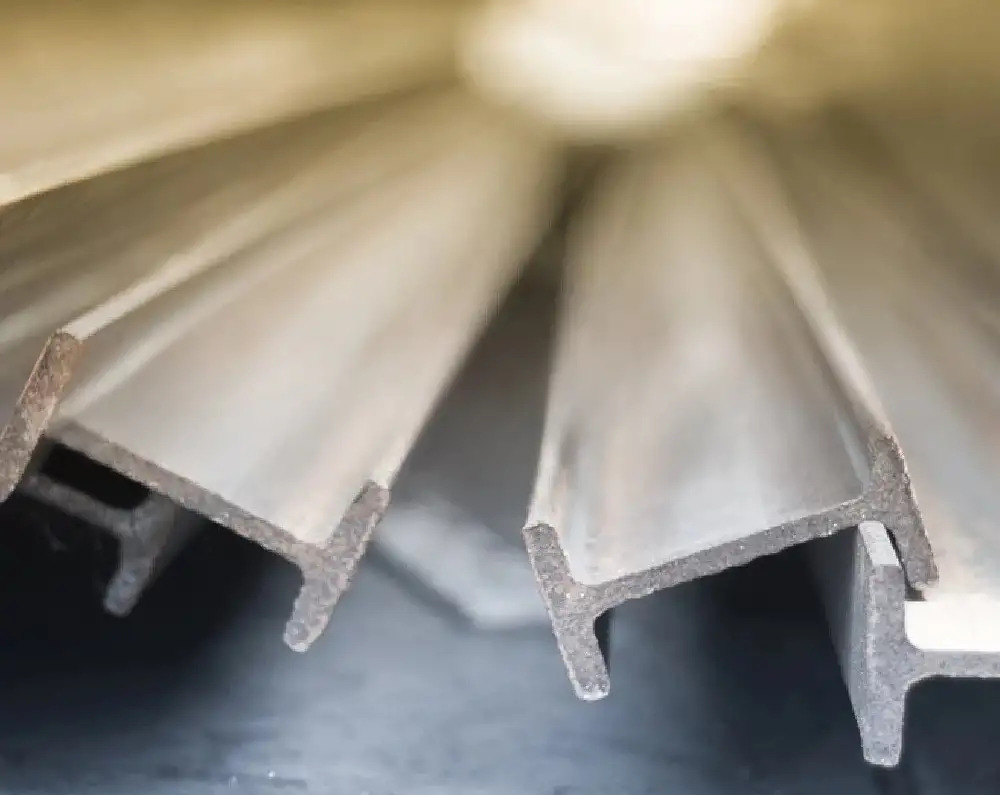
When structural profiles like H-beams or channels are integrated into a building framework, their geometric cross-sections distribute bending moments and shear forces efficiently. The high yield strength of the steel enables the framework to experience elastic deformation under sudden stresses (such as an earthquake) and return to its original shape, absorbing and dissipating kinetic energy rather than snapping.
Who Should Use It?
- Infrastructure Development Corporations (Bridges, Flyovers, Metros)
- Industrial Plant Turnkey Contractors (Power Plants, Refineries, Cement Units)
- Commercial Real Estate Developers (High-Rise Towers, Shopping Complexes)
- Pre-Engineered Building (PEB) Manufacturers and Fabricators
Benefits
- Superior Weldability: Low carbon equivalent values prevent heat-affected zone (HAZ) cracking during heavy industrial welding operations.
- Dimensional Integrity: Laser-controlled rolling ensures precise web thickness, flange width, and straightness across long sections.
- Enhanced Service Life: High purity profiles respond exceptionally well to anti-corrosive galvanization and protective epoxy coatings.
Drawbacks
- Higher Baseline Capital Expense: Premium primary steel demands a higher initial investment compared to local, uncertified secondary re-rolled alternatives.
- Vulnerability to Marine Atmospheric Corrosion: Like all carbon steels, it requires systematic protective coating applications if exposed to highly humid or coastal environments.
Examples of Core Deployments
- Heavy Industrial Warehouses: Used in large span trusses where column-free floor areas are required.
- Thermal and Hydroelectric Power Plants: Deployed in heavy boiler structures and generator room framing requiring immense thermal and mechanical resilience.
- Railway and Highway Overbridges: Parallel flange sections serving as primary girder components.
Market Alternatives
- Secondary Re-Rolled Steel: Significantly lower cost but highly variable mechanical properties and unpredictable chemical compositions.
- Reinforced Concrete (RCC) Structural Elements: Highly durable but drastically increases dead weight, lengthens construction timelines, and lacks the structural flexibility of steel.
Future Infrastructure Outlook
With India targeting aggressive infrastructure expansions under national asset pipelines, the demand for high-strength steel grades like E350 and E450 is projected to increase rapidly. Advanced primary mills are shifting toward smart, automated green-steel production lines that reduce carbon footprints while enhancing material longevity.
Technical Specifications & Sourcing Matrix
To streamline your engineering bill of quantities (BOQ), the following table maps out standard profiles available through JP Enterprises Raipur, along with instant access to commercial pricing inquiries:
|
Profile Type |
Standard Designation |
Material Grade Selection |
Dominant Application |
Procurement Action |
|
H-Beams / I-Beams |
NPB, WPB, ISMB |
IS 2062 E250 / E350 |
Primary vertical columns and high-load horizontal girders. |
|
|
Channels |
ISMC Section Profiles |
IS 2062 E250 Quality A |
Structural purlins, framing grids, and heavy machinery bases. |
|
|
Equal Angles |
ISA Dimensions |
IS 2062 E250 / BR |
Cross-bracing, transmission towers, and industrial roof trusses. |
|
|
Heavy MS Plates |
Custom Thickness |
IS 2062 E350 / E410 |
High-stress base plates, bridge gussets, and storage tanks. |
|
|
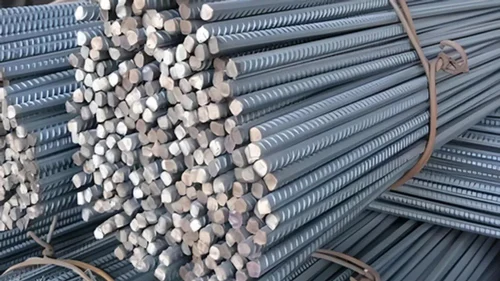
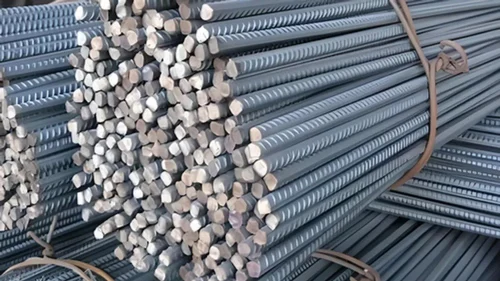
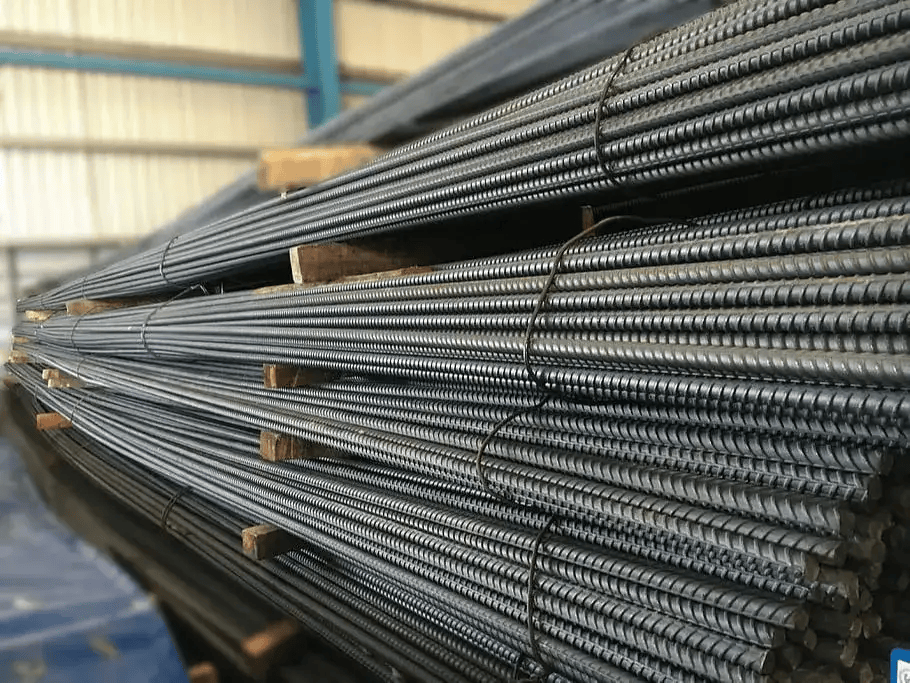
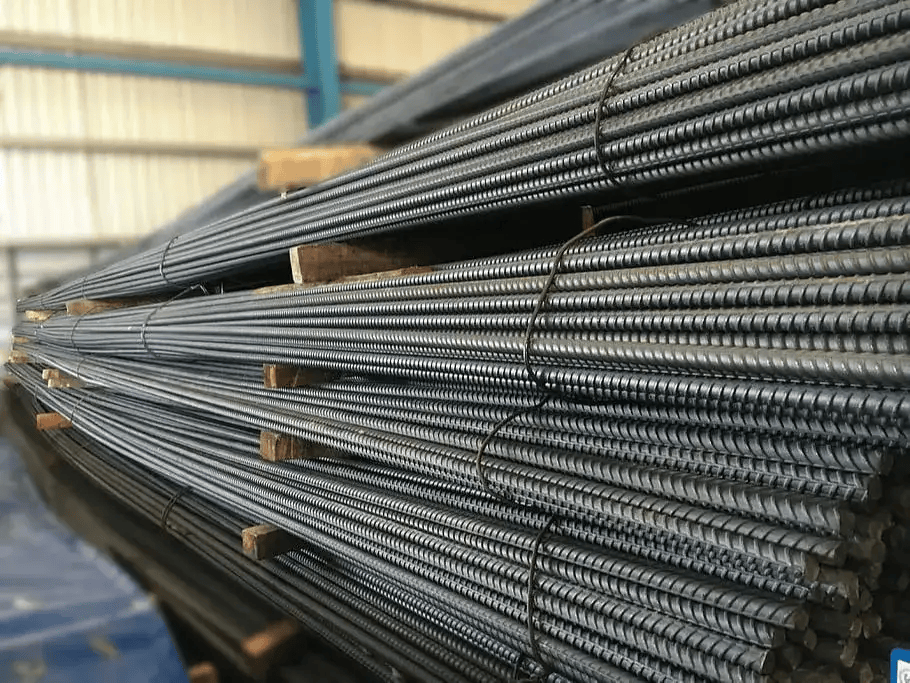
Jindal TMT 550D |
Reinforcement Bars |
Fe 550D High Ductility |
High-rise foundations and concrete embedded reinforcement. |
Step-by-Step Structural Sourcing & Quality Validation Workflow
Executing a successful primary steel procurement strategy requires a structured, multi-stage verification process to prevent supply chain contamination:
[Step 1: Engineering BOQ Draft] ➔ [Step 2: Supplier MTR Verification] ➔ [Step 3: Dimensional Inspection] ➔ [Step 4: Safe On-Site Deployment]
1. Finalize Engineering Bill of Quantities (BOQ)
Specify the exact structural grades required. Never mix primary steel sections with local secondary materials in critical load-bearing zones. Ensure your load calculations indicate whether E250 or high-tensile E350 steel is required.
2. Verify Manufacturer Test Reports (MTRs)
Before authorizing logistics dispatch from the stockyard, demand the official manufacturer test reports matching the heat numbers stamped on the steel profiles. Verify that the sulphur and phosphorus percentages do not exceed standard limits.
3. Conduct Pre-Unloading Dimensional Audits
Upon arrival at your project site, perform random calipers and ultrasonic thickness testing on the sections. Check the web-to-flange junctions for any visible rolling anomalies or physical shape deviations.
4. Execute Protected On-Site Storage & Deployment
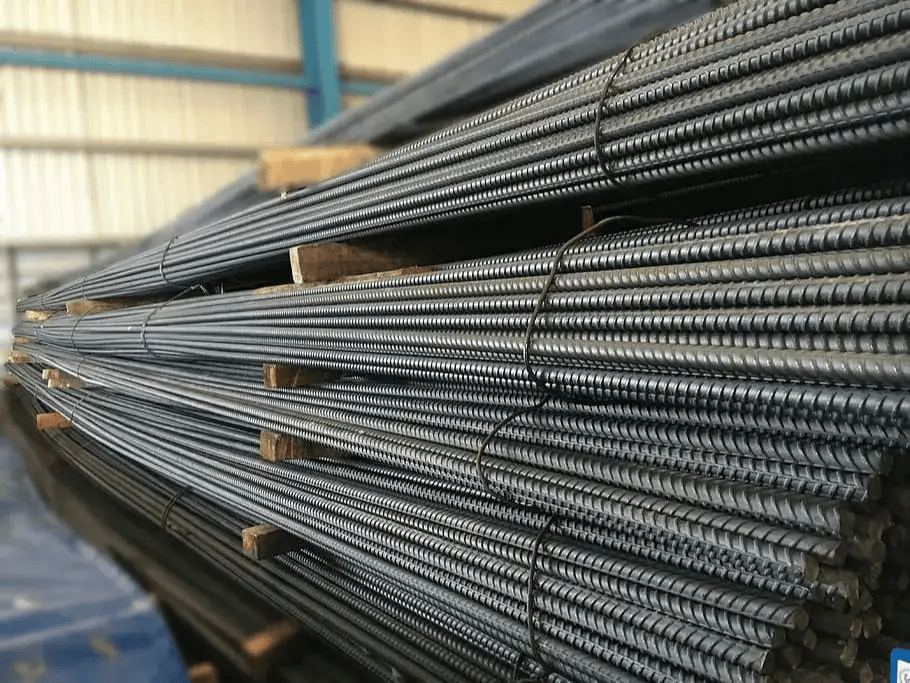
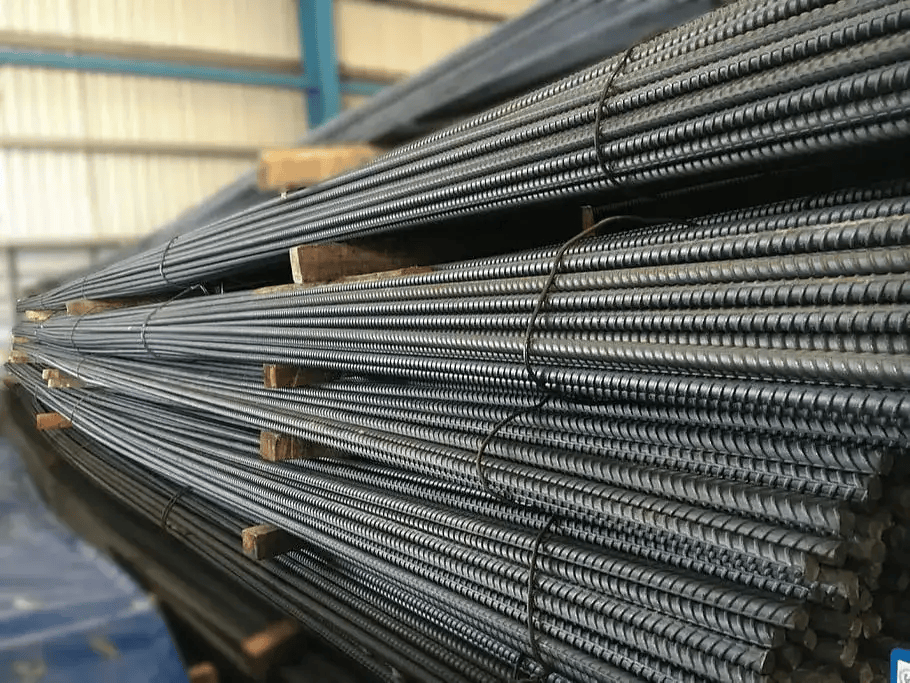
Store the structural sections on elevated wooden dunnage to prevent direct contact with soil moisture. Apply a temporary rust-inhibitive primer layer if the fabrication process is scheduled for a later date.
Structural Material Performance Metrics
The following comprehensive evaluation outlines why top civil engineering firms favor primary steel profiles over secondary alternatives:
|
Evaluation Vector |
Primary Jindal Structural Steel |
Secondary Local Re-Rolled Steel |
Impact on Infrastructure Projects |
|
Chemical Composition |
Strictly controlled; zero scrap contamination. |
Variable carbon, high sulphur/phosphorus tracking. |
Dictates structural crack propagation and brittleness. |
|
Yield Stress Uniformity |
Completely uniform across the entire section length. |
Unpredictable; high variance between batches. |
Irregular yield stress leads to premature localized bending. |
|
Weld Microstructure |
Flawless low-carbon welding profiles. |
Prone to cooling cracks and localized air pockets. |
Weak welds fail catastrophically under seismic vibrations. |
|
Geometric Precision |
Strict compliance with parallel flange standards. |
Tapered flanges, web thickness deviations. |
Impacts the speed and precision of on-site bolt alignment. |
Empirical Research, Statistics & Evidence
According to industrial metallurgical field data, utilizing primary steel profiles instead of secondary re-rolled variants reduces overall fabrication cycle times by up to 22% due to superior dimensional consistency and a complete absence of localized hard spots.
Internal logistics tracking data from JP Enterprises Raipur shows that maintaining a rolling stock reserve of over 5,000 metric tons shields industrial buyers from standard mill lead-time delays, which can otherwise derail project timelines by 4 to 6 weeks. Furthermore, structural simulations confirm that infrastructure engineered with Fe350 high-tensile structural profiles yields a 15% reduction in total steel consumption by weight compared to traditional low-grade steel layouts, optimizing material efficiency without sacrificing structural integrity.
Frequently Asked Questions (FAQs)
Q1: How can I differentiate between a primary Jindal structural steel profile and a local re-rolled alternative on-site?
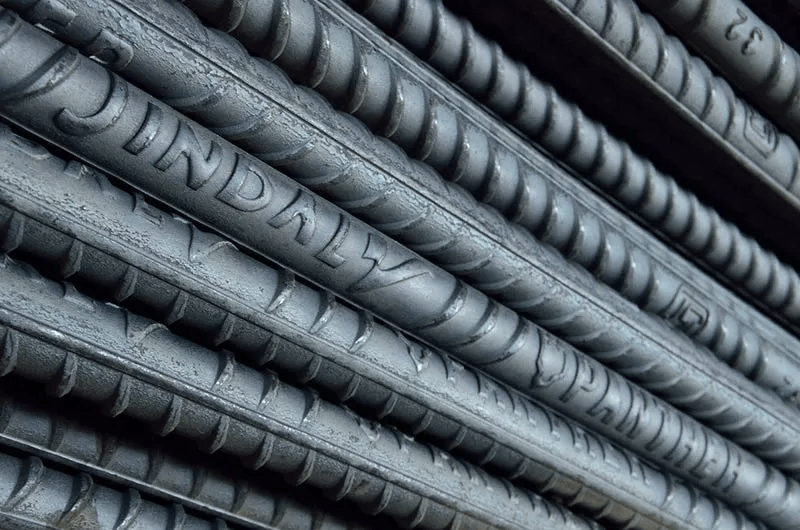
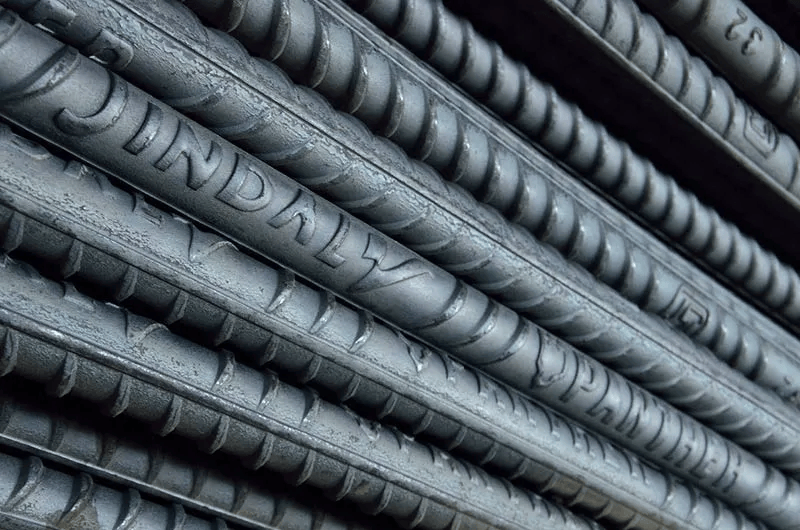
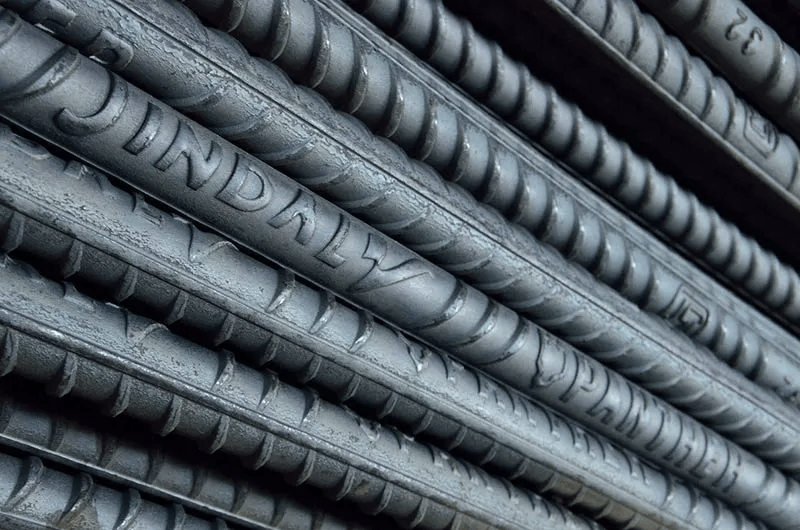
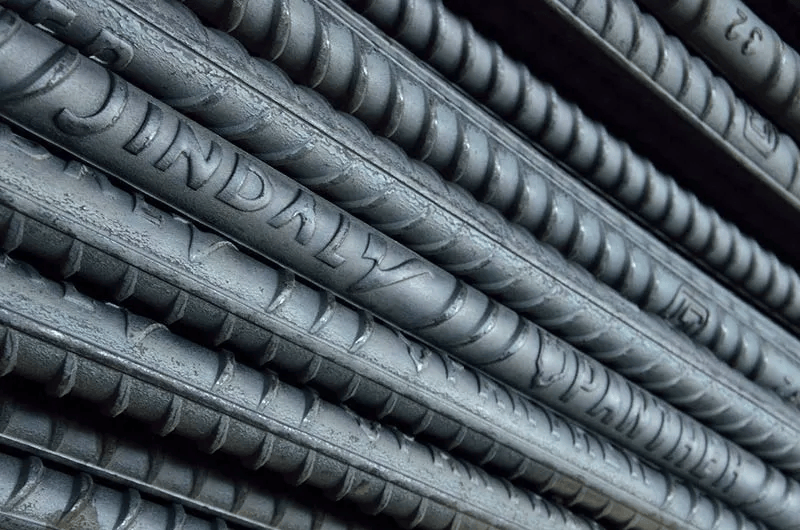
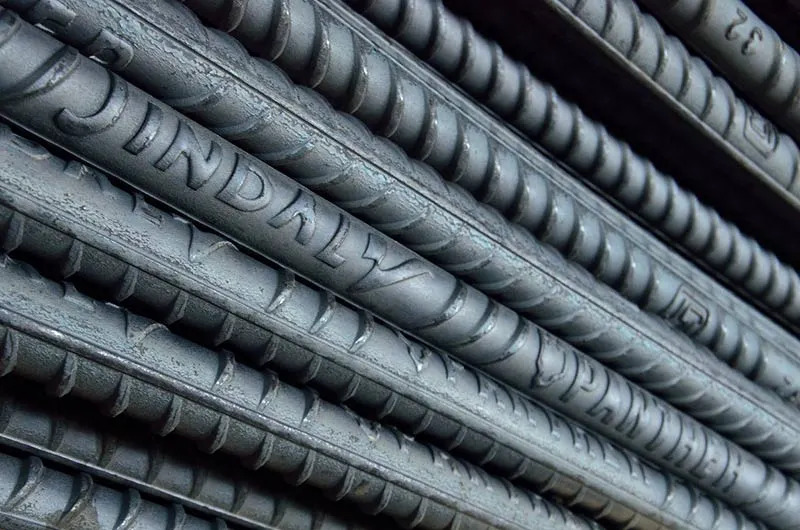
Authentic primary structural steel profiles from Jindal feature clean, sharp geometric edges, a uniform matte grey finish, and are permanently embossed with the manufacturer's brand logo, heat number, and the official ISI hallmark at regular intervals along the length of the section. Secondary re-rolled alternatives frequently exhibit uneven surface scaling, pitted textures, varying web-to-flange thickness dimensions, and lack verifiable tracking stamps.
Q2: What exact role does the choice between steel grades E250 and E350 play in project budgeting?
Grade E250 steel has a standard minimum yield strength of 250 { MPa} and is ideal for low-to-medium-rise structural grids and conventional framing applications. Grade E350 is a high-tensile variant boasting a minimum yield strength of 350 { MPa}. While E350 carries a marginally higher per-ton acquisition cost, its superior strength allows structural engineers to design thinner profiles that support equivalent or higher mechanical loads. This effectively reduces the total material tonnage required, often lowering overall project costs.
Q3: Why is the control of Sulphur and Phosphorus content considered so vital in structural steel profiles?
Sulphur and phosphorus are elemental impurities that naturally occur during iron ore smelting. If their concentrations exceed 0.045 each, they induce "hot shortness" and "cold shortness" within the metal. High sulphur levels make the steel brittle during high-temperature welding, while excessive phosphorus drastically reduces the steel's ductility at ambient temperatures, causing it to crack under sudden impacts or seismic movements. Primary manufacturers like Jindal tightly regulate these elements to ensure long-term structural safety.
Q4: Can JP Enterprises Raipur facilitate expedited material transport for heavy-tonnage structural requirements out of state?
Yes. Supported by integrated heavy transport networks and deep, centralized inventory levels in Raipur, Chhattisgarh, the firm manages large-scale cross-border logistics. This setup allows for continuous supply runs directly to high-priority infrastructure zones, highway extensions, and industrial projects nationwide, helping contractors adhere strictly to tight engineering schedules.
Optimize Your Material Sourcing Today
Are you preparing to finalize a material bill of quantities for an upcoming commercial development, heavy industrial plant, or infrastructure project? Get in touch with us.