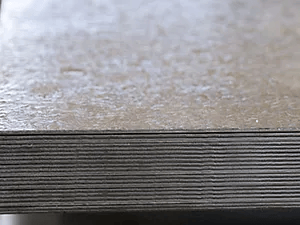
Top Jindal MS Plates Suppliers in India: Sizes Specifications and Bulk Supply Solutions
Need Jindal MS Plates in Bulk? Here's How to Choose the Right Specifications and Supply Partner
Jindal MS Plates Suppliers in India provide mild steel plates for infrastructure, fabrication, engineering, manufacturing, and construction projects. The right supplier offers accurate plate dimensions, consistent material quality, project-ready inventory, bulk order support, and timely delivery. Choosing the correct plate size and specification can reduce fabrication costs, prevent project delays, and improve structural performance.
Large projects rarely fail because of design mistakes alone. Procurement errors, incorrect material selection, and supply chain disruptions often create the biggest challenges. This guide explains how to select the right mild steel plates, understand specifications, and secure dependable bulk supply for industrial and structural applications.
What Are Jindal MS Plates and Why Are They Used Across Industries?
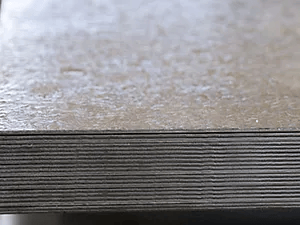
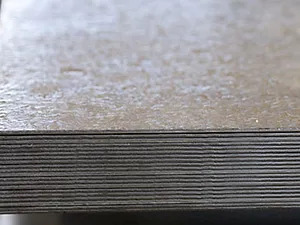
Jindal MS Plates are flat mild steel products used in construction, fabrication, heavy engineering, industrial manufacturing, infrastructure development, and structural frameworks. Their combination of strength, weldability, durability, and cost efficiency makes them one of the most widely used steel products in India.
One-Sentence Definition
Jindal MS Plates are mild steel flat products manufactured for load-bearing, fabrication, and structural applications requiring strength, flexibility, and long-term performance.
Key Facts
|
Feature |
Specification |
|
Product Type |
Mild Steel Plate |
|
Thickness Range |
6 mm to 200 mm |
|
Primary Applications |
Structural, Industrial, Fabrication |
|
Material Category |
Carbon Steel |
|
Common Industries |
Construction, Manufacturing, Infrastructure |
|
Supply Format |
Standard and Customized Sizes |
How Do You Select the Right MS Plate Size for Your Project?
The ideal plate size depends on load requirements, structural design, fabrication needs, environmental conditions, and project lifespan. Engineers should match thickness and dimensions to operational requirements rather than selecting solely on cost.
One of the most common procurement mistakes is purchasing oversized plates that increase project costs or undersized plates that compromise structural integrity.
Typical Thickness Selection Guide
|
Application |
Common Thickness Range |
|
Light Fabrication |
6–12 mm |
|
Industrial Equipment |
12–25 mm |
|
Structural Components |
25–50 mm |
|
Heavy Engineering |
50–100 mm |
|
Infrastructure Projects |
100–200 mm |
Example
A warehouse support structure and a bridge girder may both use steel plates, but their thickness requirements differ significantly because of varying load conditions and safety factors.
What Specifications Should Buyers Check Before Ordering Steel Plates?
Before placing an order, buyers should verify plate thickness, dimensions, material consistency, mechanical properties, application suitability, availability, and delivery timelines.
Many project delays occur because specifications are reviewed after procurement instead of before purchase.
Essential Procurement Checklist
- ✓ Plate Thickness
- ✓ Length and Width Requirements
- ✓ Quantity Needed
- ✓ Structural Application
- ✓ Fabrication Requirements
- ✓ Delivery Schedule
- ✓ Inventory Availability
- ✓ Project Location
Why This Matters
Incorrect specifications often result in:
- Material wastage
- Fabrication delays
- Increased logistics costs
- Rework expenses
- Procurement bottlenecks
Why Do Bulk Steel Purchases Require a Different Supply Strategy?
Bulk procurement requires inventory planning, logistics coordination, supply continuity, and delivery scheduling. Large projects need suppliers capable of maintaining consistent availability throughout the project lifecycle.
For industrial projects, purchasing steel is not a one-time transaction. It is a supply-chain decision.
Common Bulk Procurement Challenges
Material Shortages
Unexpected inventory shortages can halt fabrication activities.
Price Volatility
Steel prices fluctuate based on market conditions.
Delivery Delays
Large projects depend on synchronized material movement.
Specification Mismatch
Incorrect material deliveries can disrupt project schedules.
Solution
Work with suppliers that maintain inventory support, project coordination, and bulk delivery capabilities.
What Industries Depend Most on MS Plate Supply?
Construction, infrastructure, manufacturing, fabrication, transportation, and heavy engineering sectors rely heavily on mild steel plates because of their structural reliability and versatility.
Construction Industry
Used in:
- Commercial buildings
- Industrial facilities
- High-rise structures
Infrastructure Development
Used in:
- Bridges
- Transportation projects
- Government developments
Manufacturing Industry
Used in:
- Machinery fabrication
- Equipment manufacturing
- Processing systems
Heavy Engineering
Used in:
- Industrial frameworks
- Support structures
- Mechanical assemblies
Jindal MS Plates vs Other Structural Material Options
MS platesare preferred when projects require strength, fabrication flexibility, and cost efficiency. Alternative materials may offer specific advantages but often involve higher costs or application limitations.
|
Factor |
MS Plates |
Concrete Components |
Aluminum |
|
Strength |
High |
High |
Moderate |
|
Fabrication Ease |
Excellent |
Limited |
Good |
|
Structural Flexibility |
Excellent |
Low |
Moderate |
|
Cost Efficiency |
High |
Moderate |
Lower |
|
Industrial Usage |
Very High |
Moderate |
Limited |
|
Repair and Modification |
Easy |
Difficult |
Moderate |
What Makes a Reliable Steel Plate Supplier?
Reliable suppliers provide consistent inventory, accurate specifications, timely delivery, technical guidance, and project support. They help reduce procurement risks and improve project execution.
When evaluating suppliers, buyers should look beyond pricing.
Supplier Evaluation Framework
|
Evaluation Factor |
Why It Matters |
|
Industry Experience |
Better project understanding |
|
Inventory Availability |
Faster fulfillment |
|
Technical Support |
Accurate product selection |
|
Supply Coverage |
Multi-location delivery |
|
Quality Consistency |
Reduced project risk |
|
Delivery Capability |
Better project planning |
Industry Insight
Many procurement teams focus only on per-ton pricing. However, project delays caused by material shortages often cost significantly more than minor differences in material rates.
How Does Bulk Supply Impact Project Timelines?
Bulk supply planning helps maintain workflow continuity, prevents material shortages, and reduces construction delays. Projects with coordinated steel supply schedules often achieve better productivity and cost control.
Step-by-Step Bulk Procurement Process
Step 1: Assess Project Requirements
Determine quantity, dimensions, and application requirements.
Step 2: Finalize Specifications
Confirm thickness, size, and structural requirements.
Step 3: Plan Delivery Schedule
Align supply timelines with project milestones.
Step 4: Secure Inventory
Ensure stock availability before fabrication begins.
Step 5: Monitor Consumption
Track material usage throughout the project.
Step 6: Schedule Replenishment
Avoid interruptions by planning future deliveries.
Industry Trends Shaping Steel Plate Demand in 2026
Infrastructure expansion, industrial development, logistics hubs, manufacturing growth, and transportation investments continue to increase demand for structural steel products across India.
According to global steel industry reports published by the World Steel Association, infrastructure and industrial development remain major drivers of steel consumption worldwide.
The International Energy Agency (IEA) also highlights steel's critical role in industrial and infrastructure development projects.
Future Outlook
Growing investments in:
- Industrial corridors
- Manufacturing facilities
- Warehousing infrastructure
- Transportation networks
- Urban development
will continue to drive demand for quality steel plate solutions.
Why Many Project Teams Choose JP Enterprises
JP Enterprises has supplied steel products since 2003, supporting industrial, structural, fabrication, and infrastructure projects across India.
Key Advantages
- ✓ Over 20 Years of Industry Experience
- ✓ Jindal MS Plates Available from 6 mm to 200 mm
- ✓ Bulk Supply Support
- ✓ Project-Based Material Planning
- ✓ Industrial and Structural Application Expertise
- ✓ Pan-India Delivery Support
Need Bulk Quantities for Your Project?
Whether you are planning a bridge, manufacturing facility, warehouse, industrial shed, fabrication project, or infrastructure development, the right steel plate supply strategy can significantly improve project execution.
Contact JP Enterprises
???? +91 98933 03303
????jindalmarketings@gmail.com
????info@jpenterprisesraipur.com
???? 212, 2nd Floor, Deshbandhu Complex, Ramsagar Para, Raipur, Chhattisgarh – 492001
Request a quotation today and discuss your project requirements with our steel supply specialists.
Frequently Asked Questions
What sizes are available in Jindal MS Plates?
MS plates are available in multiple dimensions and thicknesses ranging from 6 mm to 200 mm depending on project requirements.
Which industries use mild steel plates most frequently?
Construction, infrastructure, manufacturing, heavy engineering, fabrication, and transportation sectors are among the largest consumers.
How do I select the correct plate thickness?
Plate thickness should be selected based on structural loads, design requirements, application conditions, and engineering specifications.
Are steel plates suitable for bridge construction?
Yes. Steel plates are widely used in bridge fabrication, structural reinforcement, support members, and infrastructure projects.
Why is bulk procurement important?
Bulk procurement helps maintain inventory continuity, reduce delays, improve scheduling, and support uninterrupted project execution.
What should I verify before purchasing MS plates?
Confirm thickness, dimensions, quantity, application suitability, availability, delivery schedule, and supplier support capabilities.
Author
Engineering Content Team – JP Enterprises
With experience in steel distribution, industrial procurement, structural applications, and infrastructure supply chains, the team develops practical resources to help project owners, engineers, fabricators, and procurement professionals make informed material selection decisions.
Published: June 2026 | Last Updated: June 2026