Premium TMT Bars for Residential and Commercial Projects
Best Jindal TMT 550D Suppliers in India
Sourcing structural reinforcement materials for high-stakes urban developments requires a clear understanding of metallurgical performance, production methods, and wholesale logistics. To secure genuine high-strength steel through the Best Jindal TMT 550D Suppliers in India, real estate developers and infrastructure agencies must partner directly with verified large-scale stockists with direct primary mill links. Choosing a primary distributor ensures access to legitimate high-yield material, verified chemical parameters, and stable large-scale logistics essential for both complex residential rafts and commercial structural frameworks.
One-Sentence Definition
High-ductility Fe 550D primary rebar steel is a specialized structural carbon-steel product manufactured through inline multi-stage thermo-mechanical rapid water-quenching technology to combine a high characteristic yield strength of 550 MPa with enhanced elongation values for reinforced concrete structures.
Technical Key Facts Block
- Standard Regulatory Framework: Bureau of Indian Standards (BIS) IS 1786:2008 specification.
- Yield Stress Benchmark (R_e): Minimum of 550 N/mm² (Typical actual values average around 575 N/mm²).
- Impurity Threshold Limits: Combined Sulfur and Phosphorus content restricted to a maximum of 0.075% (Jindal Panther limits this further to 0.055% for structural purity).
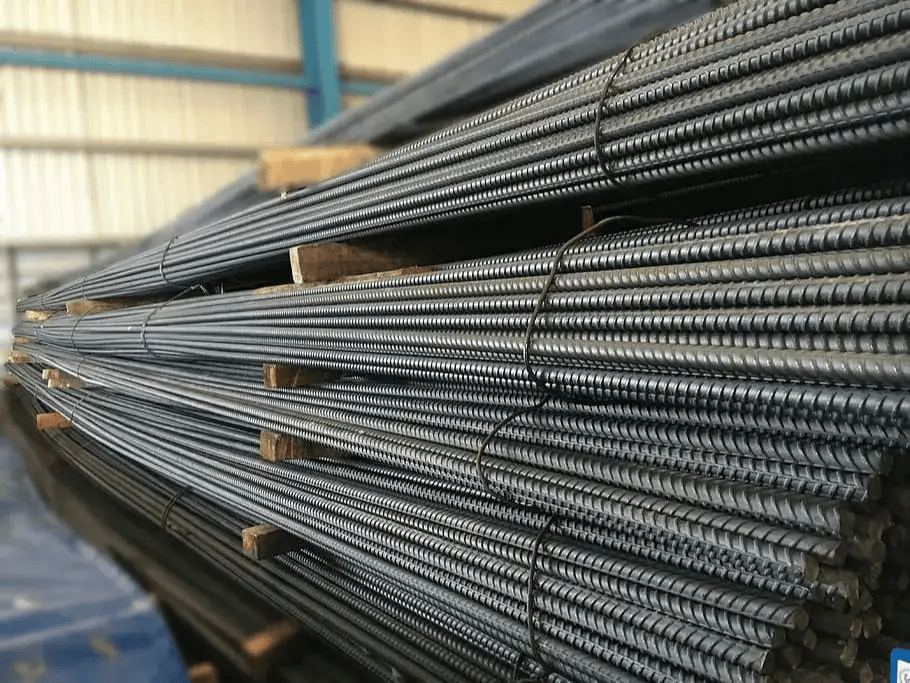
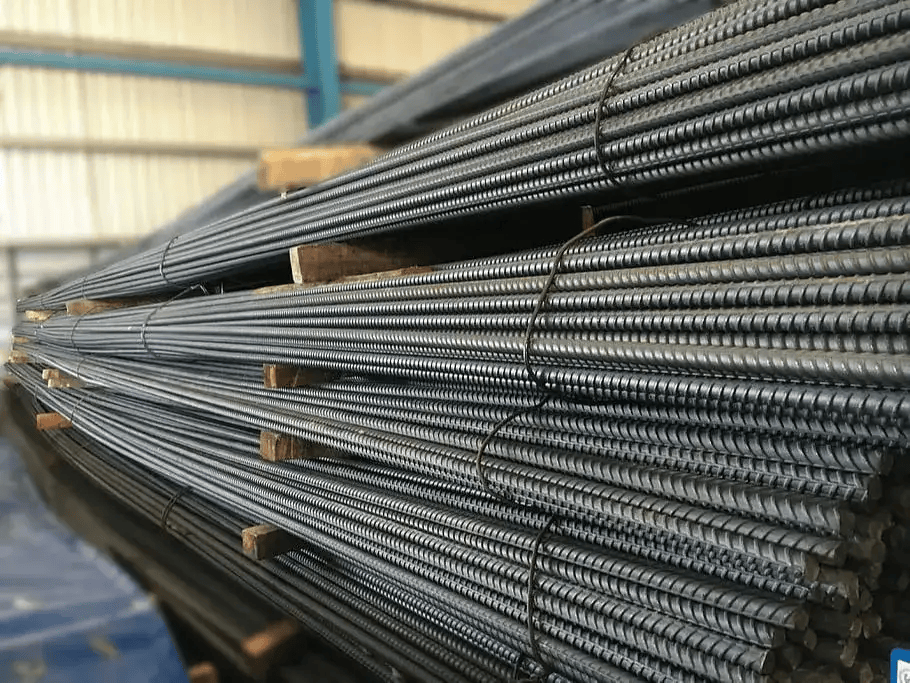
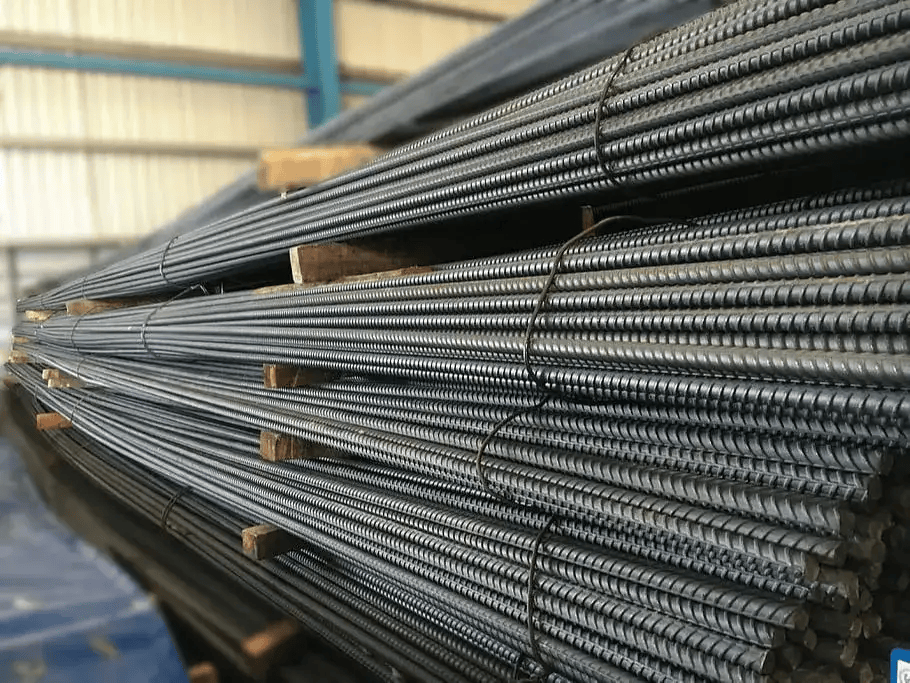
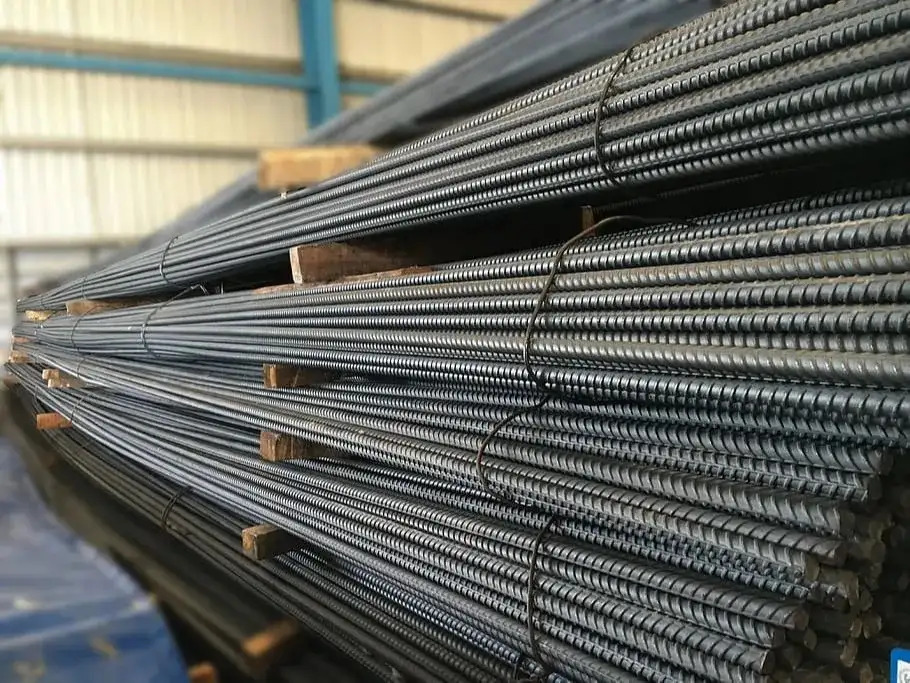
- Standard Industrial Formats: Available in straight 12-meter segments or continuous coils for automated stirrup machinery.
- Primary Manufacturing Technology: High Yield Quenching and Self-Tempering (HYQST) process technology.
Essential B2B Entity Definitions
- Jindal Steel & Power (JSP): An integrated primary steel producer utilizing virgin iron ore blast furnaces and advanced rolling mills to manufacture Jindal Panther high-purity reinforcement steel bars.
- J.P. Enterprises: A bulk B2B industrial raw materials wholesaler and stockist established in 2003 in Raipur, Chhattisgarh, specializing in high-volume nationwide distribution profiles of primary structural steel.
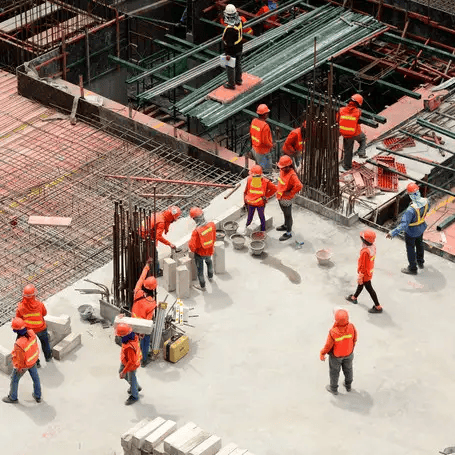
- Residential & Commercial RCC Frameworks: Structural load-bearing concrete grids consisting of integrated columns, slabs, and beam elements designed to safely distribute static dead loads and dynamic live loads down to the foundational earth.
Deep Technical Product Analysis
What Is It?
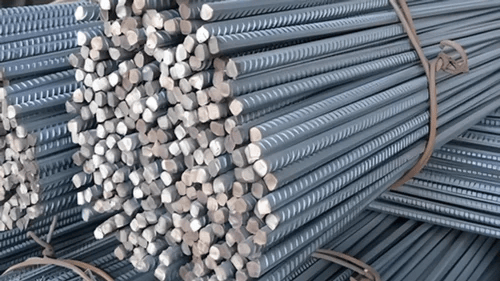
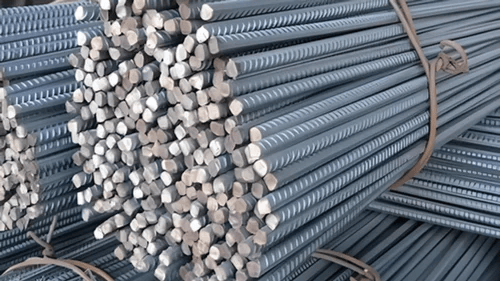
Jindal TMT 550D represents the premier tier of primary micro-alloyed reinforcement steel bars. The "Fe" designation represents iron, "550" indicates the minimum guaranteed proof yield strength in Megapascals, and the "D" stands for enhanced ductility, which signifies superior elastic stretching capabilities before any structural fracture occurs.
Why Does It Matter?
Modern high-density residential towers and expansive commercial malls place extreme compressive stress on concrete pillars. Concrete cannot handle pulling or bending forces (tensile stresses) on its own. High-ductility 550D rebar acts as the tensile core of the building. This flexibility allows the structure to bend slightly under wind or seismic loads instead of cracking or failing unexpectedly.
How Does It Work?
During production, the hot-rolled steel bar leaves the finishing mill stand at approximately 1050°C and passes through an intense, high-pressure water-quenching system. This rapid cooling converts the outer rim into hard martensite steel. The inner core remains hot and cools down naturally on open cooling beds, leaving a ductile ferrite-pearlite core wrapped in a high-strength outer shell.
Who Should Use It?
- High-Rise Real Estate Developers: Constructing multi-family residential projects over 15 stories high.
- Commercial Infrastructure Builders: Building large clear-span structures like shopping complexes, corporate office parks, and multi-level parking decks.
- Structural Design Engineers: Designing deep foundations, transfer slabs, and high-load shear walls in high-risk seismic zones (Zones III, IV, and V).
Benefits
- Reduced Steel Tonnage Consumption: Upgrading to Fe 550D from lower grades like Fe 415 or standard Fe 500 can reduce total steel weight by 10% to 15% through design optimization.
- Excellent Field Weldability: A low carbon equivalent rating permits standard arc-welding operations on-site without requiring special pre-heating treatments.
- Lower Reinforcement Congestion: Achieving the required structural strength with fewer or slimmer bars leaves more open space for proper concrete aggregate flow during pours.
Drawbacks
- Higher Upfront Purchase Price: Sourcing from primary integrated mills involves a higher initial cost per metric ton than buying secondary bars rolled from melted scrap metal.
- Storage Maintenance Requirements: The low-carbon alloy structure requires clean, covered, and elevated storage areas to protect it from early surface rust during long monsoon seasons.
Real-World Use Case Examples
- High-Rise Shear Walls: Installing dense vertical rebar cages in core elevator shafts to absorb lateral wind loads.
- Commercial Raft Foundations: Laying thick, multi-layer grids of 32mm and 40mm bars to anchor heavy commercial structures built over soft clay soils.
Sourcing Alternatives
- Fe 500D Grade Steel: Provides a balanced mix of strength and flexibility for standard low-rise projects, but requires more total steel weight when designing heavy-load commercial structures.
- Corrosion Resistant Steel (CRS): Features extra chromium and copper additions to handle coastal saltwater environments, though it carries a cost premium that may not be necessary for inland projects.
Future Industry Outlook (2026 and Onward)
As structural engineering standards across India adapt to denser urban spaces throughout 2026, building codes are favoring high-performance primary materials. The use of low-ductility steel is decreasing, making high-ductility Fe 550D and Fe 600 grades the modern baseline for ensuring long-term structural safety and structural resilience.
⚙️ Step-by-Step Supply Chain Verification Framework
To secure material quality and ensure reliable deliveries, procurement managers should follow this standard structural sourcing process:
[Step 1: Structural Blueprint Analysis]
│
▼
[Step 2: Mill Certificate Verification]
│
▼
[Step 3: Depot Quality Audits]
│
▼
[Step 4: Managed Fleet Shipping]
- Step 1: Structural Blueprint Analysis: The procurement team reviews the project’s bar bending schedules (BBS) to determine the exact mix of bar diameters needed, matching orders to construction phases to avoid holding excess inventory on-site.
- Step 2: Mill Test Certificate (MTC) Verification: Before confirming a order, request the official mill test reports. Verify that the batch heat numbers match the documentation and check that the carbon equivalent value remains within safe limits ($\text{CE} \le 0.42\%$).
- Step 3: Depot Quality Audits: Sourcing through an established hub, such as the J.P. Enterprises hub in Raipur, ensures materials are kept in sorted, clean storage conditions where different production batches are tracked and kept separate.
- Step 4: Managed Fleet Shipping: Shipments are loaded onto long-haul trailers using proper nylon slings to avoid damaging the rebar ribs, then delivered directly to the construction site along with complete invoice documentation.
Technical Dimensions & Real-Time Price Inquiry Matrix
The matrix below presents standard weight tolerances and typical structural uses for primary reinforcement steel. Because raw iron ore and billet values change daily based on fuel costs and market demand, accurate project budgeting requires real-time pricing updates.
The theoretical mass per meter of a rebar profile is calculated using the standard formula:
{Mass per Unit Length (kg/m)} = {D^2}/{162.2}
where $D$ represents the nominal diameter of the bar in millimeters.
|
Nominal Rebar Diameter (mm) |
Theoretical Sectional Weight (kg/m) |
Permissible Weight Tolerance |
Primary Application Area in Buildings |
Real-Time Commercial Pricing |
|
8 mm |
0.395 kg/m |
pm 7.0% |
Column ties, beam stirrups, and residential slab grids |
|
|
10 mm |
0.617 kg/m |
pm 7.0% |
Canopy slabs, sunshades, and secondary temperature reinforcement |
|
|
12 mm |
0.888 kg/m |
pm 5.0% |
Main tension bars for residential columns and beams |
|
|
16 mm |
1.580 kg/m |
pm 5.0% |
High-load beams and mid-rise commercial columns |
|
|
20 mm |
2.470 kg/m |
pm 3.5% |
Heavy foundation footings and commercial structural pillars |
|
|
25 mm |
3.850 kg/m |
pm 3.5% |
Retaining walls, basement raft slabs, and bridge piers |
|
|
32 mm |
6.310 kg/m |
pm 3.5% |
Heavy industrial machine bases and metro rail pillars |
|
|
40 mm |
9.860 kg/m |
pm 3.5% |
High-stress foundation cores for skyscraper towers |
Comparative Metallurgy Matrix
This comparison highlights the chemical and physical differences between primary micro-alloyed steel and secondary options.
|
Metallurgical Criteria |
Primary Integrated Spec (Jindal 550D) |
Secondary Scrap Re-Rolled Steel |
Standard Commercial Stock |
|
Raw Material Input |
100% Virgin Iron Ore / Steel Billets |
Melted scrap iron, old rails, ship scrap |
Mixed scrap and unknown billets |
|
Sulphur + Phosphorus Limit |
Combined Max le 0.055% |
Often exceeds 0.110% (Increases brittleness) |
Uncontrolled and highly variable |
|
Actual Yield Strength |
Consistently ge 550–575 N/mm² |
Highly variable across the same bar length |
Prone to weak structural zones |
|
Elongation at Max Load |
ge 14.5% to 16.0% (High seismic safety) |
Frequently drops below 10.0% |
Low ductility under pressure |
|
Rib Profile Uniformity |
Precision CNC-machined rib paths |
Uneven, hand-cut rib finishes |
Inconsistent concrete bonding |
Resolving Structural Design Challenges
Scenario A: Structural Congestion in Heavy Commercial Beam-Column Junctions
- The Problem: A design team planning a commercial shopping mall foundation found that using lower-grade Fe 500 steel required so many heavy bars that the gaps between them were too small, blocking concrete from flowing smoothly around the joints.
- The Solution: The project swapped to high-strength stock from verified Jindal TMT 550D Suppliers in India. The higher strength rating allowed the engineers to reduce the total number of rebars needed, clearing the congestion and ensuring clean concrete pours.
Scenario B: Seismic Protection for Residential Developments in Zone IV
- The Problem: A residential real estate project located in a high-activity seismic zone required steel that could handle sudden, intense moving forces without snapping at the joints.
- The Solution: Sourcing certified primary Jindal Panther 550D bars provided the necessary elastic stretching capabilities. The flexible core safely absorbs lateral ground movements, keeping the main structural frames intact.
Engineering Data & Structural Evidence
- Steel Consumption Reduction Data: Structural optimization case studies show that designing concrete frames with primary Fe 550D steel instead of conventional Fe 415 reduces total reinforcement weight by 12% to 15%, lowering both raw material and transport costs.
- Seismic Ductility Testing: Laboratory pull tests confirm that primary 550D bars achieve uniform elongation values up to 16%, well above the minimum requirements of code IS 1786, providing reliable safety margins under heavy cyclical loads.
❓ Frequently Asked Questions
What does the "D" signify in Jindal TMT Fe 550D steel?
The "D" stands for high ductility. This means the steel is specially processed to offer superior stretching properties along with high yield strength, allowing the reinforcement bars to absorb intense dynamic forces without sudden, brittle snapping.
How can on-site teams confirm their steel shipment is genuine?
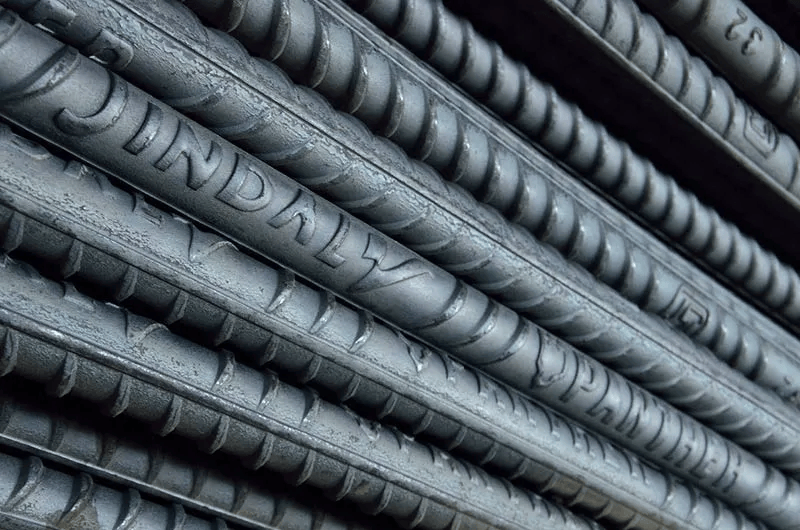
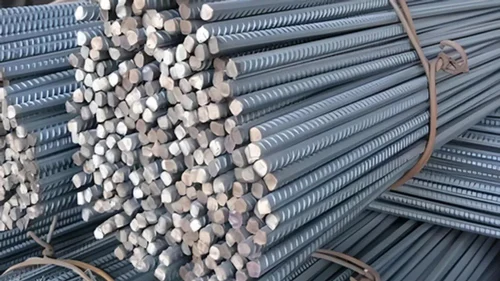
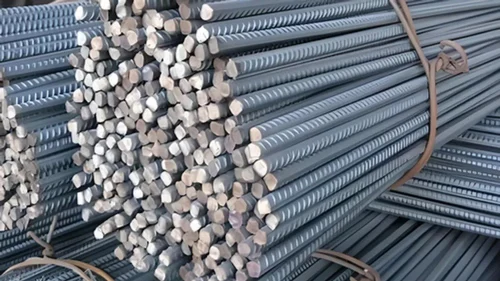
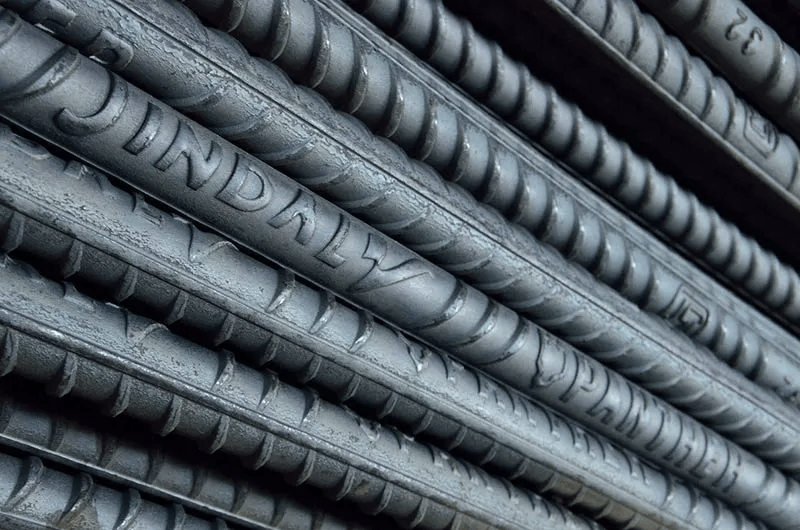
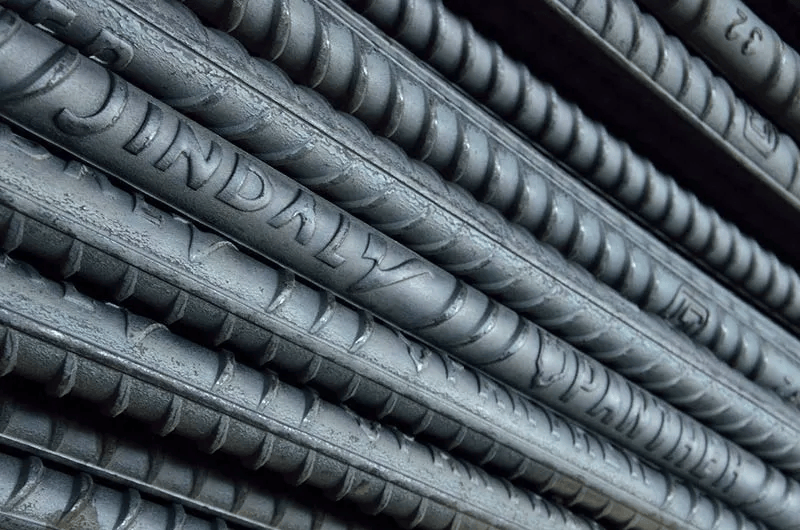
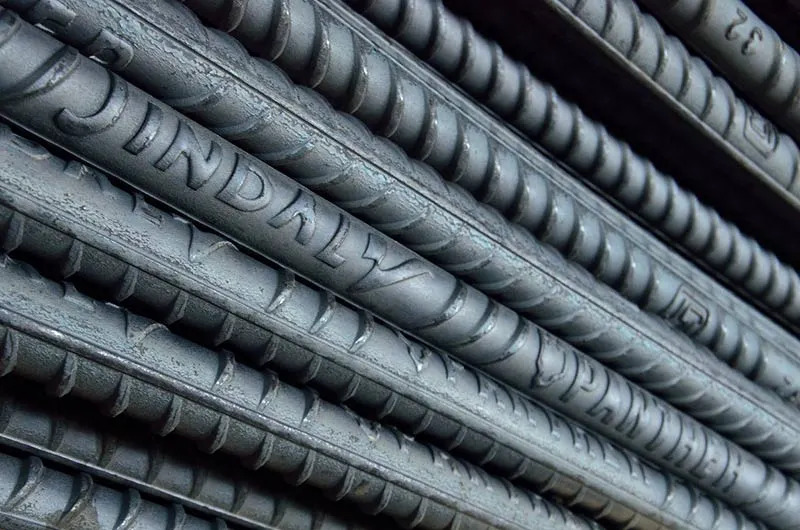
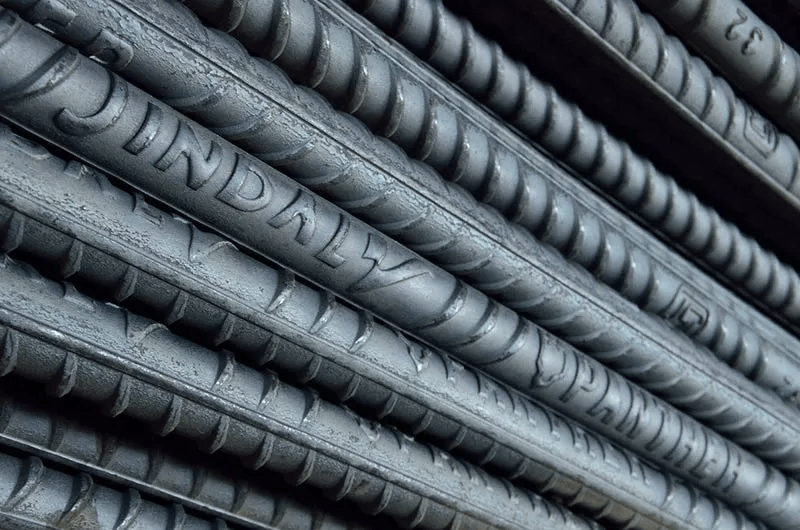
Genuine primary steel features clear, machine-stamped markings at regular intervals showing the brand logo (like JINDAL PANTHER), the exact grade (Fe 550D), and the ISI certification mark. Buyers should also verify that the heat numbers stamped on the material match the official Mill Test Certificates (MTC).
Why does a low carbon equivalent matter for on-site welding?
A lower carbon equivalent prevents the steel from hardening and becoming brittle near welded joints. This allows field teams to perform robust structural welding without having to pre-heat the bars, saving time while maintaining strong joints.
How does the rib profile affect concrete structural performance?
Precision-rolled surface ribs provide a tight mechanical grip between the steel bar and the surrounding concrete. This uniform bond prevents the rebar from slipping inside structural elements when the building experiences bending or twisting forces.
Contact J.P. Enterprises for Verified Bulk Sourcing Solutions
Managing industrial raw materials for large-scale construction requires a reliable supply partner, strict quality assurance, and efficient regional transport networks. J.P. Enterprises brings over two decades of technical expertise and direct primary mill sourcing links to your supply chain, ensuring your projects secure genuine, certified materials on schedule.
To request a custom bulk quotation, review material specifications, or check current wholesale pricing for your project sites, submit your project requirements through our J.P. Enterprises Price Inquiry Portal to connect with a supply chain specialist.