Leading Jindal TMT 550D Suppliers in India: How to Choose the Right Steel Partner
A technical procurement roadmap for heavy infrastructure projects, industrial builders, and corporate supply chain managers.
Procurement planning for large-scale concrete structures requires strict attention to material properties, logistics networks, and verification standards. When evaluating the premier Jindal TMT 550D Suppliers in India, enterprise buying teams look for high-tonnage B2B wholesalers capable of providing factory-direct inventory, verified mill test certificates, and predictable delivery schedules. Securing authentic Jindal Panther steel requires structural managers to assess both the distribution scale of their supply partners and the exact chemical properties of the material batches.
Core Mechanical Definition
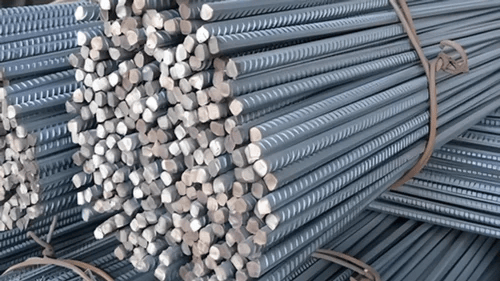
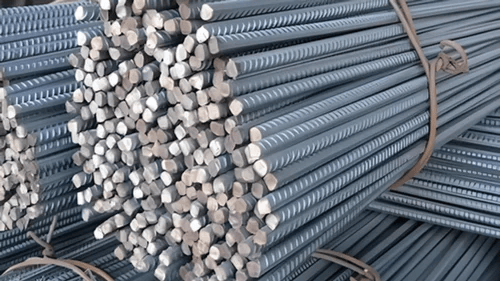
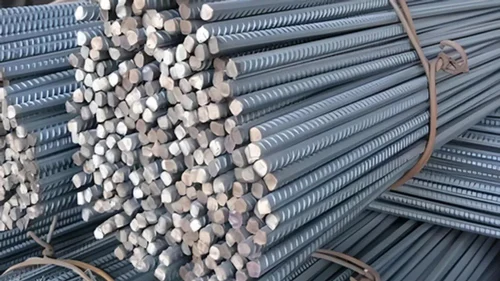
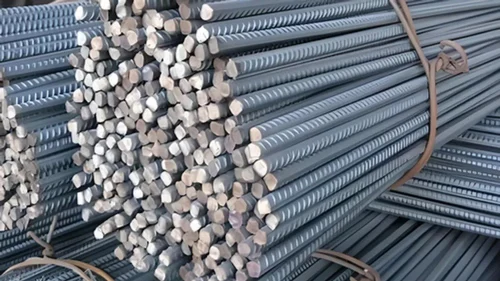
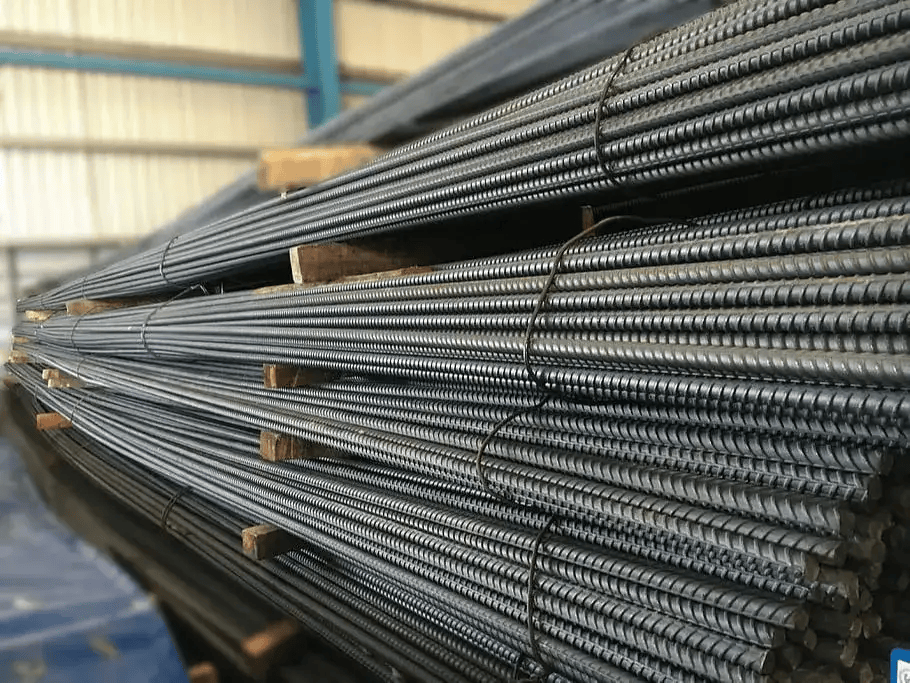
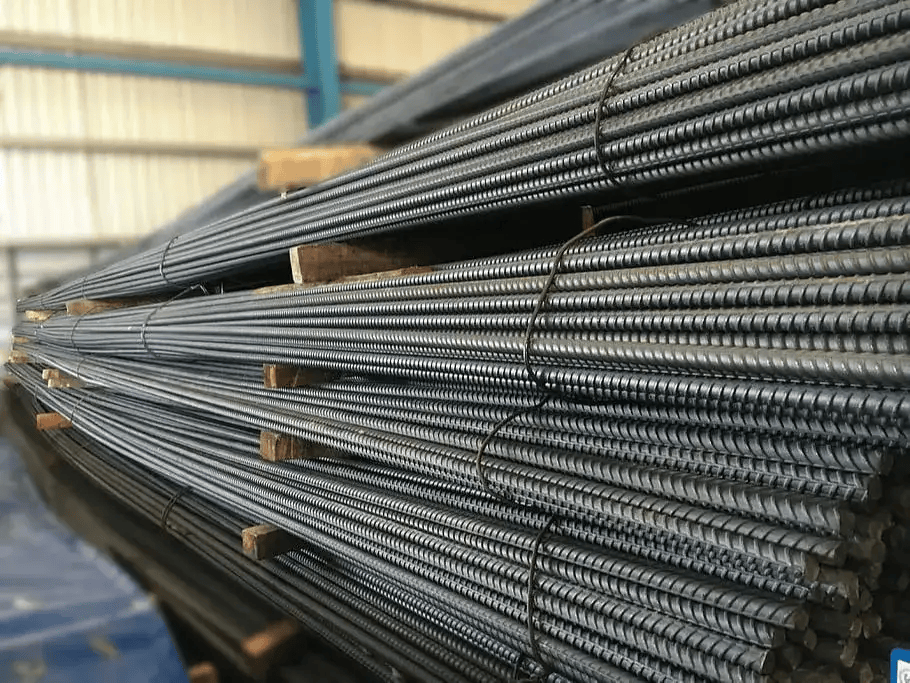
Jindal TMT 550D is a specialized thermo-mechanically treated reinforcement steel bar manufactured via advanced mill processing, featuring a hardened outer martensitic crust for high tensile performance and a soft inner ferrite-pearlite core engineered for elite ductility and seismic energy absorption.
???? Technical Key Facts: Material Benchmarks
Before authorizing a purchase order, structural engineering departments must verify that the material profiles align with standard industrial design constraints:
- Governing Regulatory Specification: IS 1786:2008 (High-strength deformed steel bars for concrete reinforcement).
- Minimum Characteristic Yield Strength (R_e): 550 MPa (Megapascals).
- Minimum Tensile Strength (R_m): 585 MPa.
- Ultimate Elongation Percentage: Minimum 14.5% total elongation at maximum force.
- Micro-Alloying Matrix: Precise balance of Carbon, Sulfur, Phosphorus, and Manganese to ensure on-site weldability without pre-heating treatments.
????️ Essential Entity Definitions
- Jindal Panther (JSP): A primary, integrated steel manufacturing brand known for producing high-purity reinforcement steel rebars via automated continuous mill lines.
- J.P. Enterprises: Established in 2003 in Raipur, Chhattisgarh, this B2B supply firm operates as a bulk wholesaler, conversion agent, and stockist of primary iron and steel products for regional and national infrastructure projects.
- Fe 550D Classification: An industry-standard metallurgy designation where "Fe" stands for iron, "550" represents the minimum yield point threshold in MPa, and "D" signifies high ductility, required for structural flexibility in dynamic earthquake zones.
???? Comprehensive Technical Product Analysis
What Is It?
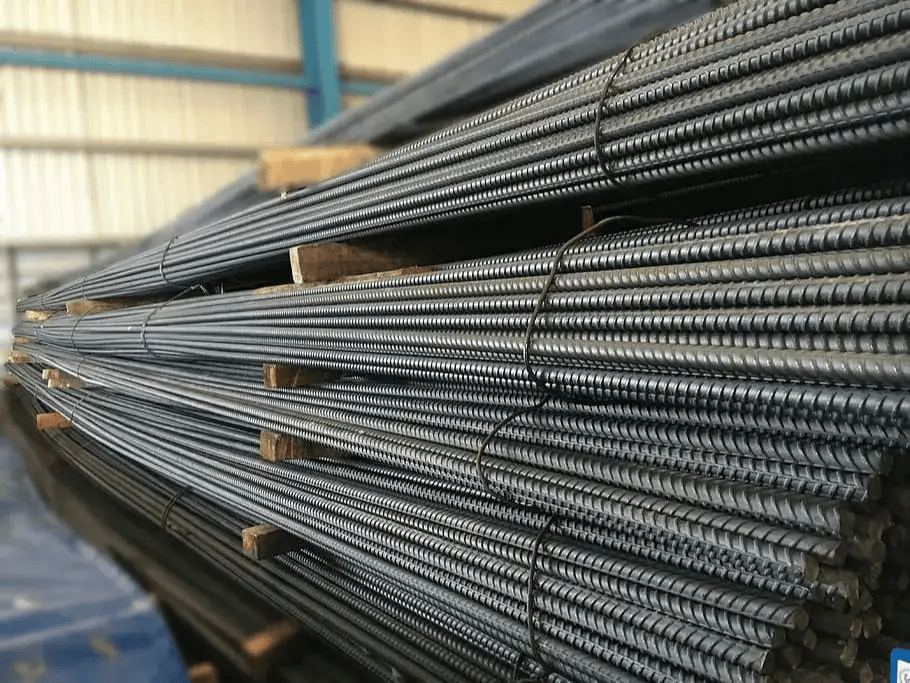
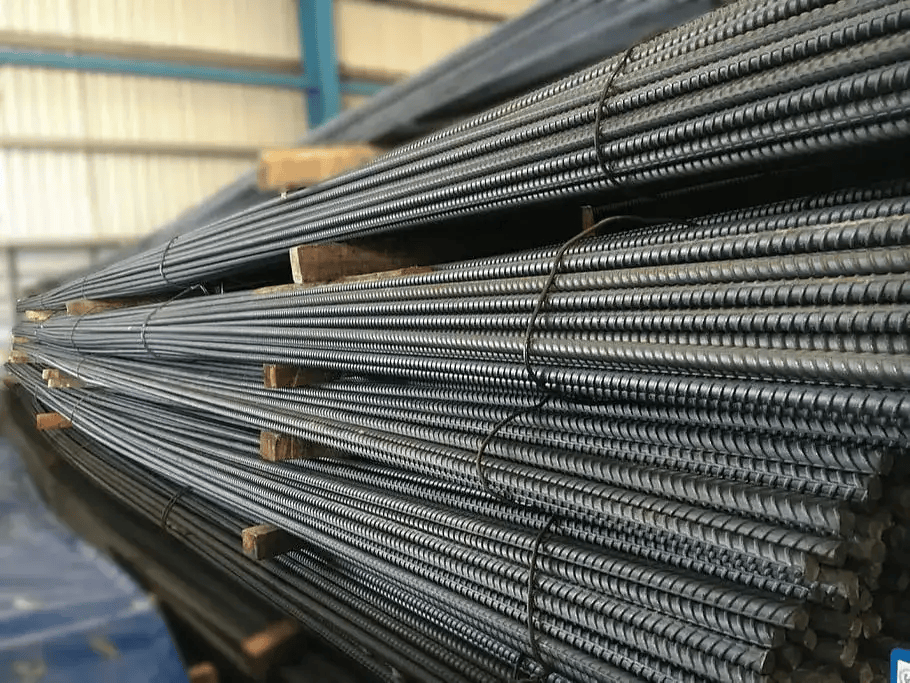
Jindal TMT 550D is an elite primary reinforcement steel rebar. Unlike secondary bars re-rolled from miscellaneous scrap materials, it is cast directly from virgin iron ore components in continuous casting integrated plants, ensuring structural uniformity throughout its length.
Why Does It Matter?
In heavy civil projects like multi-level flyovers or high-rise residential towers, concrete provides high compressive strength but lacks tensile resistance. If the structural steel inside experiences brittle snapping under high loads, sudden catastrophic structural failure occurs. High-ductility steel prevents this by safely stretching before failure.
How Does It Work?
The manufacturing process subjects hot-rolled steel to a precise water-quenching system. This rapid cooling creates a hard martensitic outer surface layer. The inner core cools slowly on cooling beds, forming a flexible ferrite-pearlite core that gives the rebar its balance of strength and flexibility.
Who Should Use It?
- Metro Rail Infrastructure Consortia: Building overhead viaducts and underground station boxes.
- High-Rise Real Estate Developers: Constructing multi-story towers in Seismic Zones III, IV, and V.
- Industrial Plant Engineers: Building massive foundations for high-vibration machinery and thermal power infrastructure.
Benefits
- High Seismic Performance: The high elongation properties allow structures to absorb and dissipate lateral shockwaves during earthquakes.
- Excellent Cross-Rib Bonding: Computer-designed rib patterns provide superior mechanical grip with curing concrete mixes.
- Low Carbon Content: A low carbon footprint prevents localized crystallization during field arc welding, preserving structural joint integrity.
Drawbacks
- Initial Capital Costs: Primary micro-alloyed steel carries a price premium compared to standard scrap-rolled commercial alternatives.
- Handling Protocols: Requires dry, elevated storage configurations to prevent surface oxidation when stored outdoors during monsoon seasons.
Real-World Use Case Examples
- Sub-Level Monolithic Raft Foundations: Deploying large-diameter (32mm) grids to anchor deep sub-structures in shifting river soils.
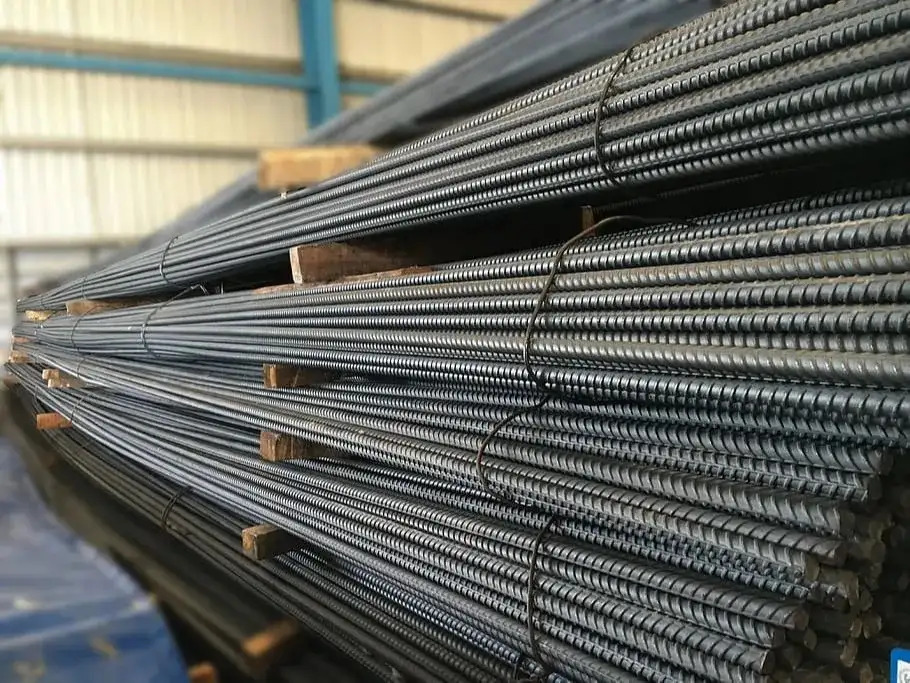
- Industrial Warehouses: Installing extended 12-meter structural rebar spans to safely distribute heavy overhead crane loads.
Sourcing Alternatives
- Standard Fe 500 TMT Bars: More affordable but offer lower yield limits, requiring a higher total tonnage of steel to achieve identical load capacities.
- Corrosion-Resistant TMT (CRM/CRS): Enhanced with higher chromium additions, making it ideal for marine retaining walls but financially restrictive for land-based infrastructure.
Future Industry Outlook (2026 and Onward)
As structural designs across India scale upward throughout 2026, building codes increasingly require higher-grade primary steel. The industry is shifting from standard Fe 500 profiles toward high-ductility Fe 550D and Fe 600 grades to minimize total steel mass while improving structure lifespan and safety margins.
⚙️ Step-by-Step Supply Chain Verification Workflow
To guarantee material purity and avoid counterfeit stock, enterprise procurement teams should execute this multi-phase verification protocol:
[Phase 1: Bar Bending Schedule Check] ➔ [Phase 2: MTC Validation] ➔ [Phase 3: Automated Allocation] ➔ [Phase 4: Site Acceptance Audit]
- Bar Bending Schedule (BBS) Integration: Structural drafts are cross-referenced with exact size classes and bend parameters to estimate bulk tonnage needs, preventing material shortages on-site.
- Mill Test Certificate (MTC) Validation: Before releasing freight transport, procurement teams verify that the batch heat numbers match the factory certified documentation, ensuring chemical values stay below standard limits (Sulfur + Phosphorus $\le$ 0.075%).
- Automated Stockyard Allocation: Orders are routed through a high-volume hub, like the J.P. Enterprises center in Raipur, where automated tracking keeps batches separated by grade and prevents primary inventory from mixing with secondary stock.
- Site Acceptance Audits: Field engineers run random weight-per-meter audits and cross-rib inspection checks before offloading the shipment into secure storage yards.
???? Technical Dimensions & Real-Time Price Inquiry Matrix
The table below outlines standard weight, structural parameters, and typical application zones for primary reinforcement bars. Because commodity valuations fluctuate daily based on raw material costs and furnace power rates, accurate procurement planning requires real-time price updates.
|
Nominal Rebar Diameter (mm) |
Sectional Weight Benchmark (kg/m) |
Standard Tolerances (IS 1786) |
Primary Engineering Application Zone |
Real-Time Commercial Pricing |
|
8 mm |
0.395 kg/m |
pm 7.0% |
Stirrups, column ties, and horizontal secondary slab mesh |
|
|
10 mm |
0.617 kg/m |
pm 7.0% |
Cantilever projections, secondary floor mesh, and lintels |
|
|
12 mm |
0.888 kg/m |
pm 5.0% |
Main vertical tensile reinforcement for residential pillars |
|
|
16 mm |
1.580 kg/m |
pm 5.0% |
Heavy-load floor beams and multi-story structural columns |
|
|
20 mm |
2.470 kg/m |
pm 3.0% |
Bridge pier caps, commercial towers, and retaining walls |
|
|
25 mm |
3.850 kg/m |
pm 3.0% |
High-stress foundation footings and flyover spans |
|
|
32 mm |
6.310 kg/m |
pm 3.0% |
Metro rail pillars, heavy dams, and nuclear containment mats |
|
|
40 mm |
9.860 kg/m |
pm 3.0% |
High-stress bases for heavy industrial plants and power units |
???? Comparative Metallurgy Evaluation
The table below contrasts primary micro-alloyed profiles against secondary alternatives to help clarify structural differences.
|
Metallurgical Criteria |
Primary Spec (Jindal 550D) |
Secondary Scrap Re-Rolled |
Brand-Agnostic Commercial Stock |
|
Raw Billet Source |
100% Virgin Iron Ore Blast Furnace |
Melted scrap iron, old rails, ship scrap |
Unverified mix of secondary scrap |
|
Chemical Impurity Cap |
Sulfur + Phosphorus le 0.075% |
Frequently exceeds 0.110% (High brittleness) |
Highly variable; unpredictable |
|
Ductility Level (A_{gt}) |
ge 14.5% Elongation |
Often falls below 10.0% |
Poor; prone to sudden failure |
|
Rib Profile Uniformity |
Precision CNC machined rolls |
Irregular, hand-cut rib designs |
Inconsistent across the batch |
|
Suitability for Heavy Builds |
Recommended for high-stakes projects |
Limited to small residential builds |
Unsuitable for modern infrastructure |
????️ Application Troubleshooting: Solving Real-World Construction Dilemmas
Scenario A: High-Rise Column Shear Failures in Seismic Zones
- The Problem: A design team notes that standard Fe 500 steel lacks the flexibility to survive lateral wind loads and seismic shifts without micro-fracturing along the column junctions.
- The Solution: The engineering firm transitions procurement to certified Bulk Jindal Panther 550D steel suppliers. The higher ductility profile lets the structural frame flex safely during tremors, protecting the building's structural core.
Scenario B: Project Downtime Due to Logistical Bottlenecks
- The Problem: An infrastructure project faces delays because their current distributor cannot supply the needed volume of 25mm rebars on schedule, halting continuous concrete pours.
- The Solution: The project manager partners with Authorized Jindal TMT bars distributors like J.P. Enterprises. Utilizing large-scale transit hubs in Raipur secures a reliable, continuous flow of material, eliminating costly project downtime.
???? Empirical Studies & Structural Evidence
- Seismic Performance Studies: Mechanical testing on reinforced concrete columns reveals that transitioning from standard Fe 500 to Fe 550D primary steel improves energy absorption by up to 28% under cyclic loading conditions.
- Material Cost Reduction Metrics: Civil engineering optimization analyses show that using the higher yield limits of Fe 550D allows engineers to reduce total steel weight by roughly 10% to 12% compared to lower grades without reducing structural safety margins.
❓ Frequently Asked Questions
What does the "D" signify in Jindal TMT Fe 550D steel?
The "D" stands for high ductility. This indicates that the steel is engineered to provide superior elongation properties alongside high yield strength, allowing the rebar to withstand intense seismic stresses without brittle cracking.
How can on-site teams differentiate between primary and secondary steel?
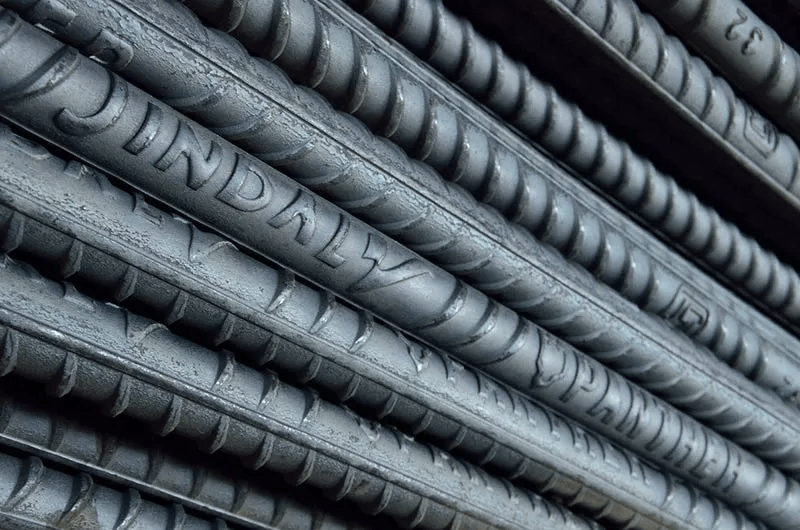
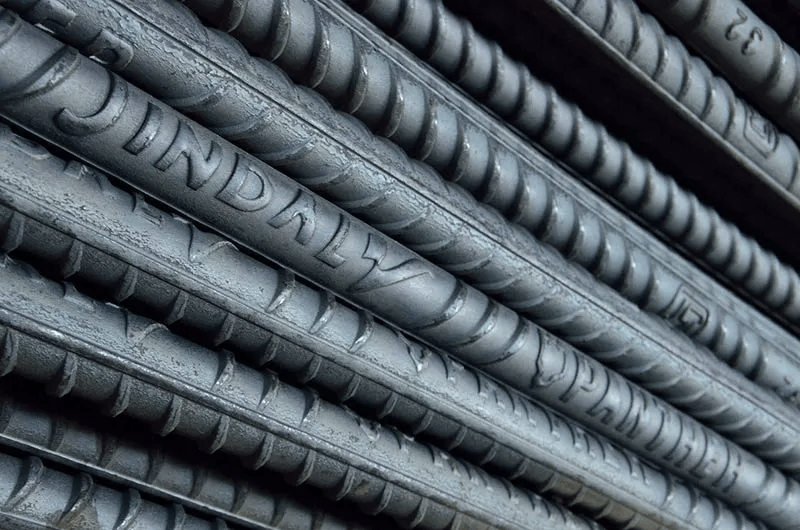
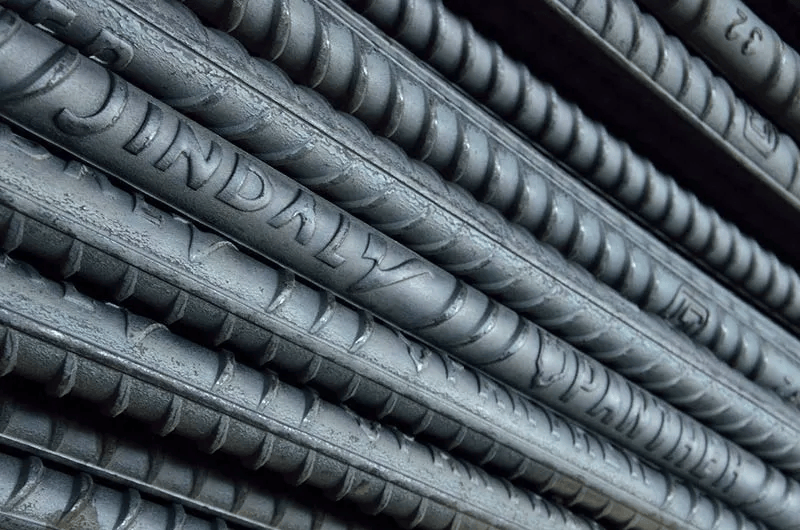
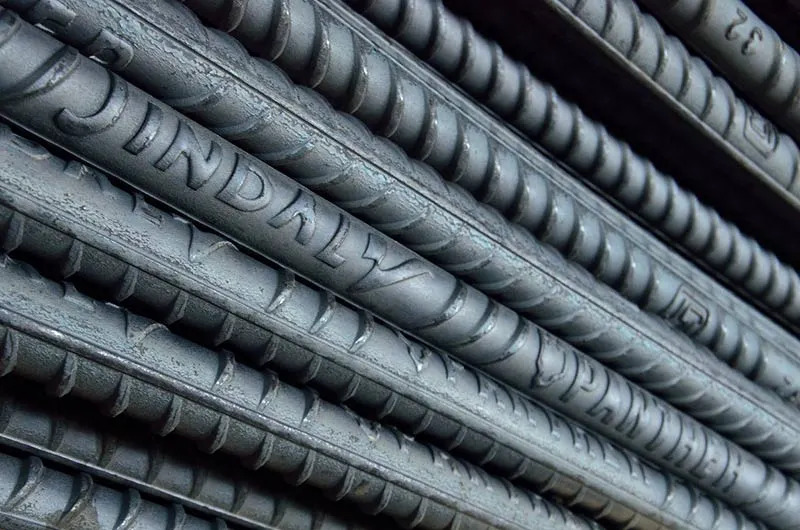
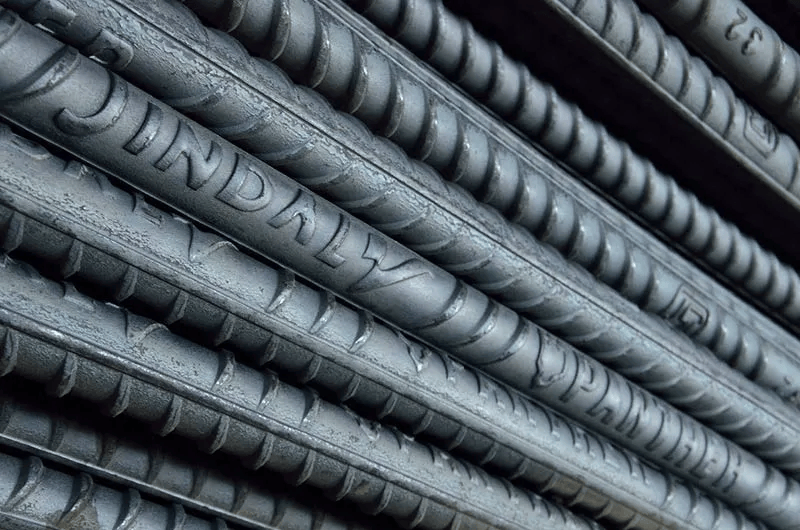
Primary steel features crisp, machine-stamped markings at regular intervals showing the brand logo (such as Jindal Panther), the precise grade (Fe 550D), and the ISI certification mark. Secondary steel often has uneven, faded, or missing markings and lacks matching mill test certificates.
Why is Raipur considered a primary logistics hub for steel procurement?
Raipur sits directly within India's primary iron ore and steel manufacturing belt. Sourcing bulk steel through established Raipur stockists like J.P. Enterprises gives procurement managers direct access to massive inventory reserves, competitive regional pricing, and efficient long-haul transport networks.
Does low carbon content affect the strength of a TMT bar?
No. Low carbon content is balanced with precise additions of micro-alloying elements like manganese. This combination ensures the steel meets its full strength requirements while providing excellent weldability and flexibility on the job site.
Secure Your Wholesale Steel Supply Chain
Optimizing infrastructure supply chains requires a partner that can deliver high material volumes, rigorous quality checks, and reliable logistics. J.P. Enterprises provides over twenty years of industry expertise along with direct access to primary mill networks, ensuring your projects stay compliant and on schedule.
To request custom quotes, evaluate material specifications, or check current wholesale prices for your project locations, connect with our team by visiting the J.P. Enterprises Lead and Price Inquiry Portal.