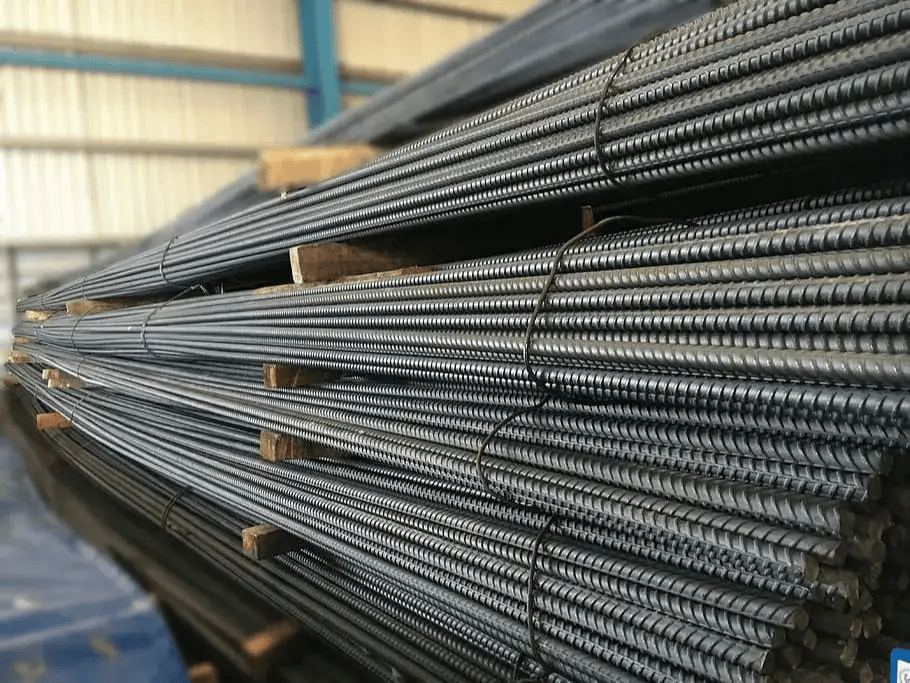
Top Sail TMT Bars Suppliers in India: Latest Grades Prices and Bulk Supply Solutions
High-Ductility Reinforcement Steel Procurement for Mega-Infrastructure and Industrial Civil Projects
Sourcing heavy-duty civil engineering materials requires deep visibility into metallurgical grades, supply reliability, and real-time wholesale pricing configurations. For large-scale national infrastructure developments, identifying vetted Sail TMT Bars Suppliers in India ensures access to continuous stockpiles of high-yield, earthquake-resistant reinforcement steel. This technical brief details the core physical configurations, structural selection parameters, and standardized procurement systems optimized for enterprise-level civil engineering projects.
Securing Authentic High-Strength Construction Steel at Scale
To secure authentic Steel Authority of India Limited (SAIL) reinforcement steel at scale, corporate procurement teams must contract directly with authorized regional B2B stockists and wholesalers. Evaluating premier Sail TMT Bars Suppliers in India involves confirming direct-from-mill logistical chains, immediate batch traceability via Mill Test Certificates (MTC), and the supplier's continuous capacity to transport heavy-tonnage structural steel to multi-site industrial layouts.
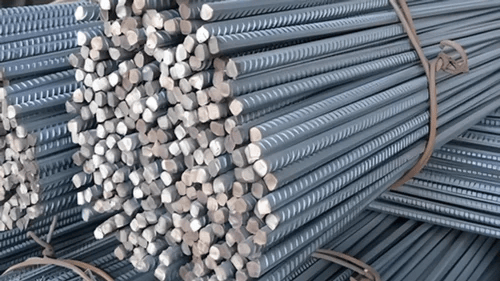
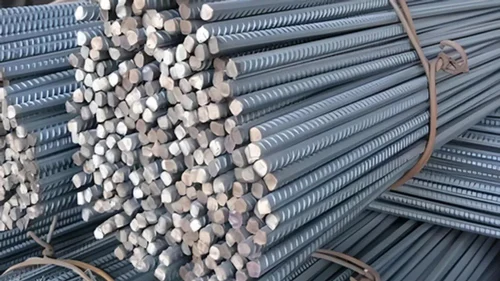
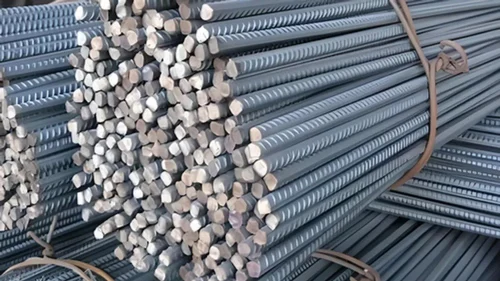
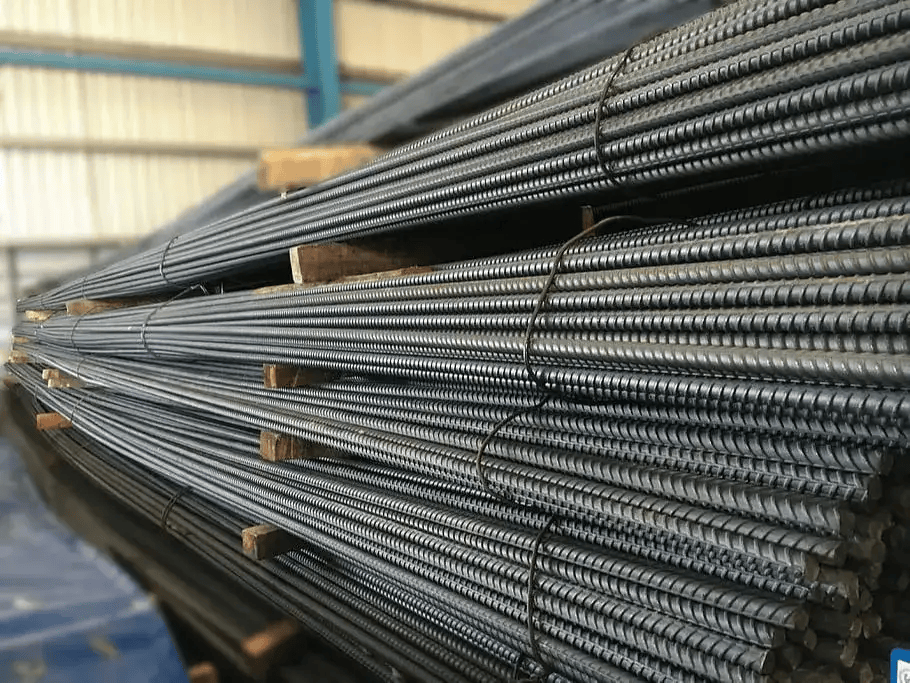
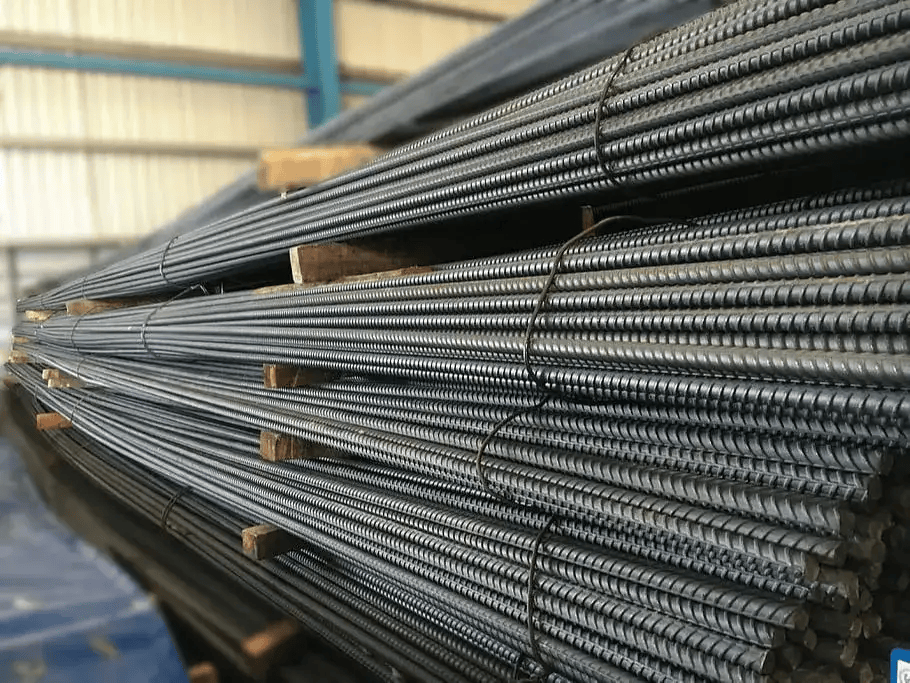
High-grade primary TMT steel bars are advanced thermo-mechanically processed composite steel reinforcement rods characterized by an outer tempered martensitic surface ring for structural yield strength and an inner ferrite-pearlite metallurgical core optimized for elongation and fatigue resistance.
Technical Dimensions & Real-Time Price Inquiry Matrix
The matrix below organizes standard primary steel technical weights and spatial dimension metrics. Because raw iron and steel commodity valuations experience daily fluctuations based on raw material costs and global scrap indices, direct price checks are required for active procurement planning.
|
Nominal Diameter (mm) |
Standard Mass Per Unit Length (kg/m) |
Standard Tolerances (IS 1786) |
Primary Engineering Application Area |
Real-Time Commercial Pricing |
|
8 mm |
0.395 kg/m |
± 7.0% |
Stirrups, ties, and light residential slabs |
|
|
10 mm |
0.617 kg/m |
± 7.0% |
Chajjas, sunshades, and secondary beam mesh |
|
|
12 mm |
0.888 kg/m |
± 5.0% |
Main tension reinforcement in residential columns |
|
|
16 mm |
1.580 kg/m |
± 5.0% |
Heavy-load beams, commercial floor slabs |
|
|
20 mm |
2.470 kg/m |
± 3.0% |
Foundation footings, high-rise structural pillars |
|
|
25 mm |
3.850 kg/m |
± 3.0% |
Bridge abutments, heavy commercial foundations |
|
|
32 mm |
6.310 kg/m |
± 3.0% |
Metro rail pillars, dam spillway structures |
|
|
40 mm |
9.860 kg/m |
± 3.0% |
High-stress heavy industrial plant bases |
Core Infrastructure Engineering Specifications
Before executing a bulk procurement order, structural engineers must verify that the incoming material aligns with the standardized engineering benchmarks outlined below:
- Primary Metallurgical Standards: IS 1786:2008 (High-strength deformed steel bars for concrete reinforcement).
- Core Structural Formulations: SAIL SeQR, Fe 500, Fe 500D, Fe 550, Fe 550D.
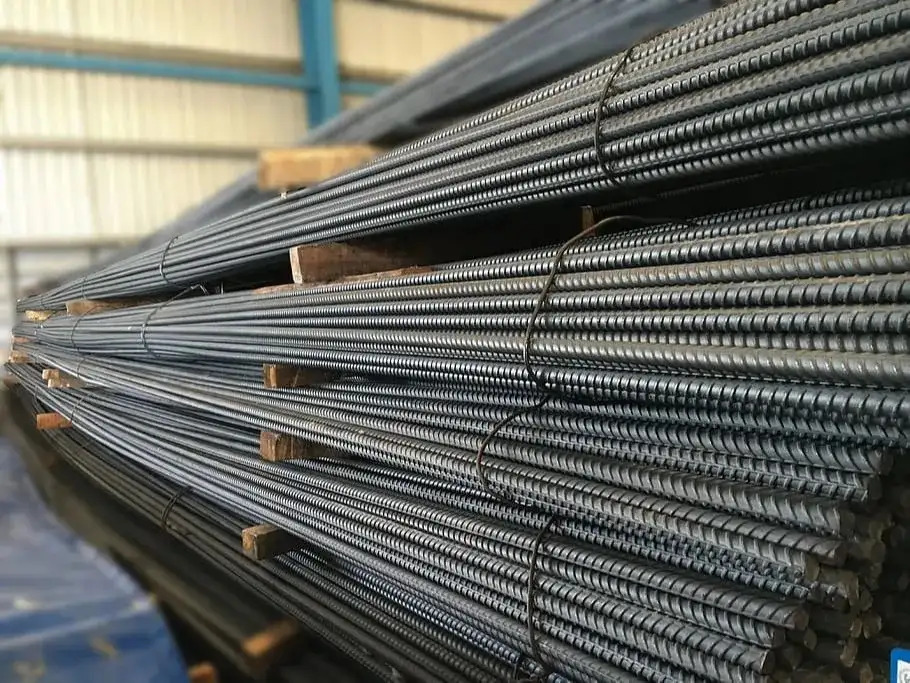
- Standard Commercial Lengths: Approximately 12 meters per individual rod profile.
- Structural Diameter Range: 8mm to 40mm for standard high-rise and industrial builds.
- Corrosion Resistance Options: Copper-Chrome-Phosphorus (CCP) micro-alloyed elements for marine-grade layouts.
Understanding Key Industrial Entities
- Primary Steel Mills: Integrated steel production facilities that manufacture virgin steel components directly from basic blast-furnace iron ore inputs rather than re-melting structural scrap metals.
- J.P. Enterprises: A bulk B2B industrial raw materials supplier and steel wholesaler founded in 2003 in Raipur, Chhattisgarh, specializing in nationwide supply chain fulfillment for primary iron and steel brands.
- Fe 550D Grade: A specific classification of carbon steel under Indian Standards (IS 1786:2008), where "Fe" represents iron, "550" indicates a minimum yield strength of 550 MPa, and "D" denotes superior ductility, essential for seismic zones.
Complete Technical Analysis of Sourcing Primary Steel
What Is It?
Primary TMT steel represents the fundamental tension-bearing core used in modern reinforced concrete construction (RCC). It utilizes a specific outer-to-core microstructure ratio engineered through precise thermo-mechanical treatment directly following the final hot-rolling mill pass.
Why Does It Matter?
Concrete possesses excellent compressive strength but minimal tensile capacity. Without primary TMT bars embedded inside structural elements, structural columns, beams, and foundations would shear or collapse under bending, twisting, or lateral seismic forces.
How Does It Work?
When structural elements experience heavy loads, stress transfers from the concrete to the steel through a network of mechanical ribs rolled onto the bar's surface. The outer tempered martensite layer bears the primary load, while the soft, ductile inner core permits micro-deflections without sudden snapping.
Who Should Use It?
- Heavy Infrastructure Consortia: Building highways, railway bridges, and deep-water ports.
- Industrial Structural Engineers: Drafting foundations for heavy machinery, refineries, and chemical processing plants.
- Metro Rail Contractors: Executing high-frequency urban mass transit overhead viaduct layouts.
Benefits
- High Seismic Resistance: The high elongation capacity allows the structure to sway during an earthquake, dissipating energy without collapsing.
- Superior Weldability: Low carbon content allows butt welding and lap welding without reducing joint strength.
- Fatigue Resistance: Resists cyclical loading stresses common in heavy-traffic bridges.
Drawbacks
- Susceptibility to Atmospheric Salinity: If stored outdoors near coastal properties without protective wraps, early surface rusting can develop.
- Initial Capital Premiums: The raw processing costs of primary blast-furnace production create a higher upfront price point compared to secondary scrap-rolled bars.
Real-World Examples
- High-Speed Rail Pier Castings: Utilizing large-diameter (32mm) Fe 550D layouts to handle high-frequency kinetic vibrations.
- Sub-Level Monolithic Foundation Mats: Implementing crisscross multi-layer rebar grids to anchor 50-story commercial skyscrapers safely.
Sourcing Alternatives
- Glass Fiber Reinforced Polymer (GFRP) Rebars: Completely rust-proof but cannot be bent easily on-site and lack identical high-temperature thermal resistance.
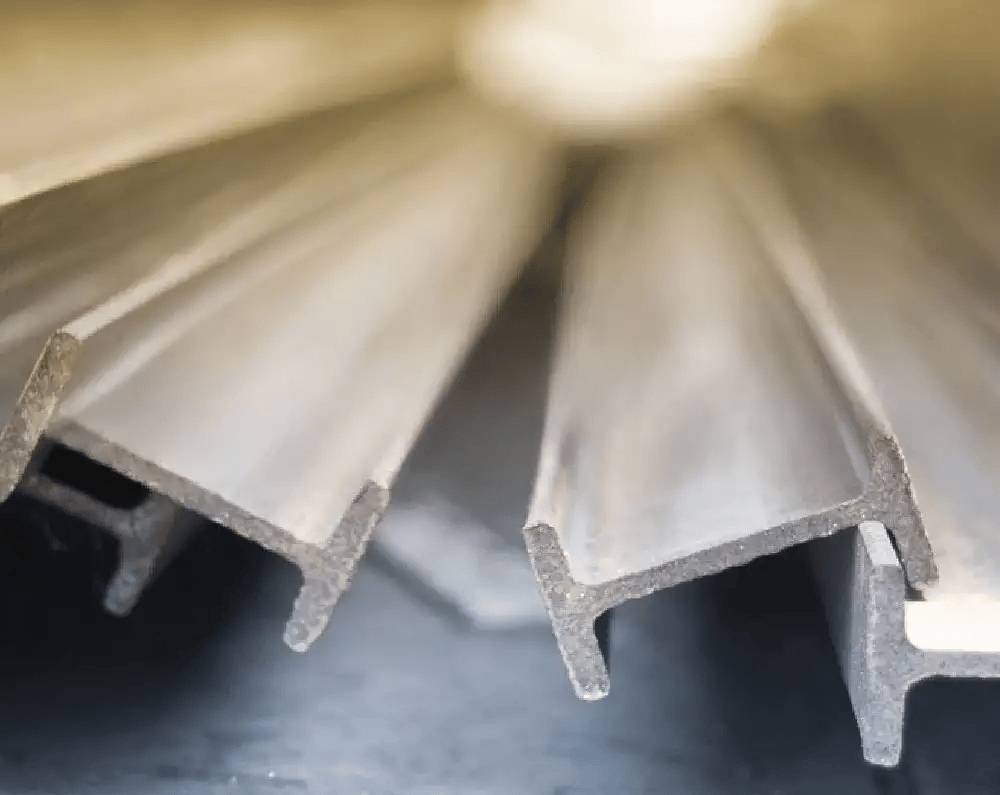
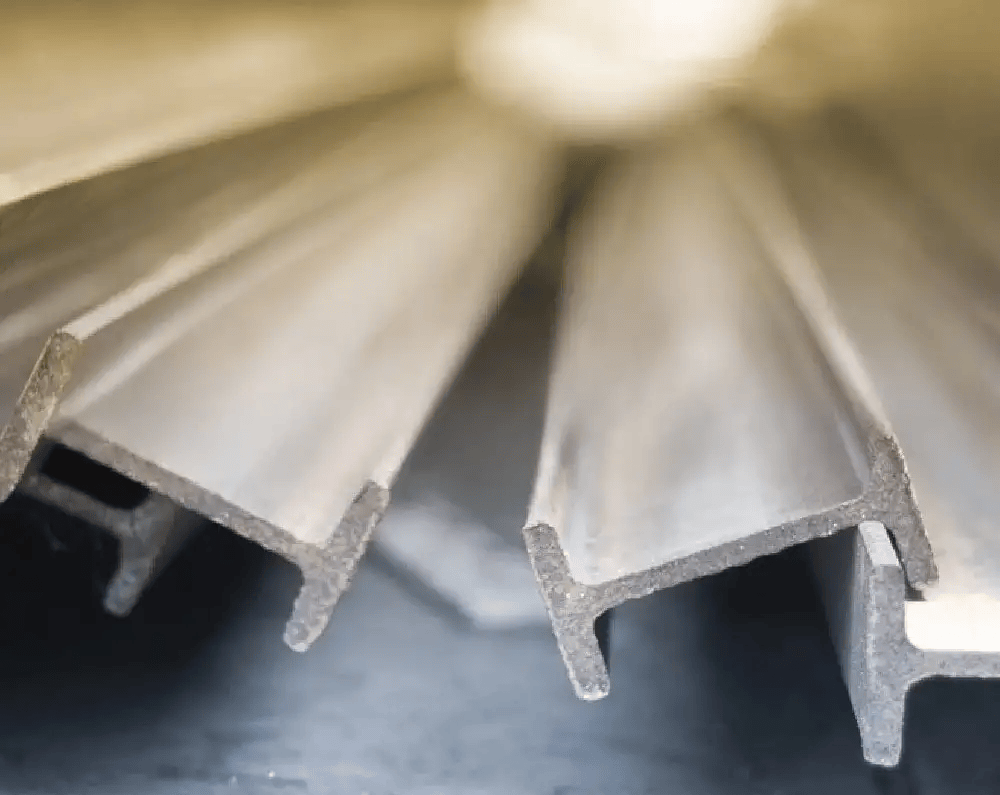
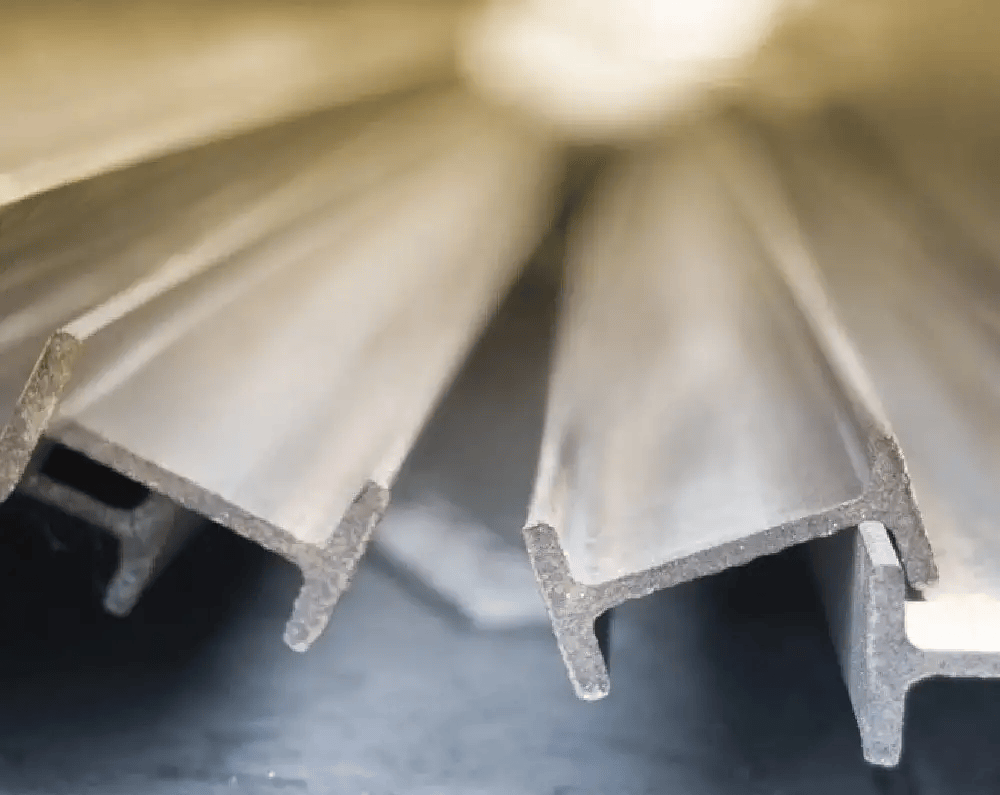
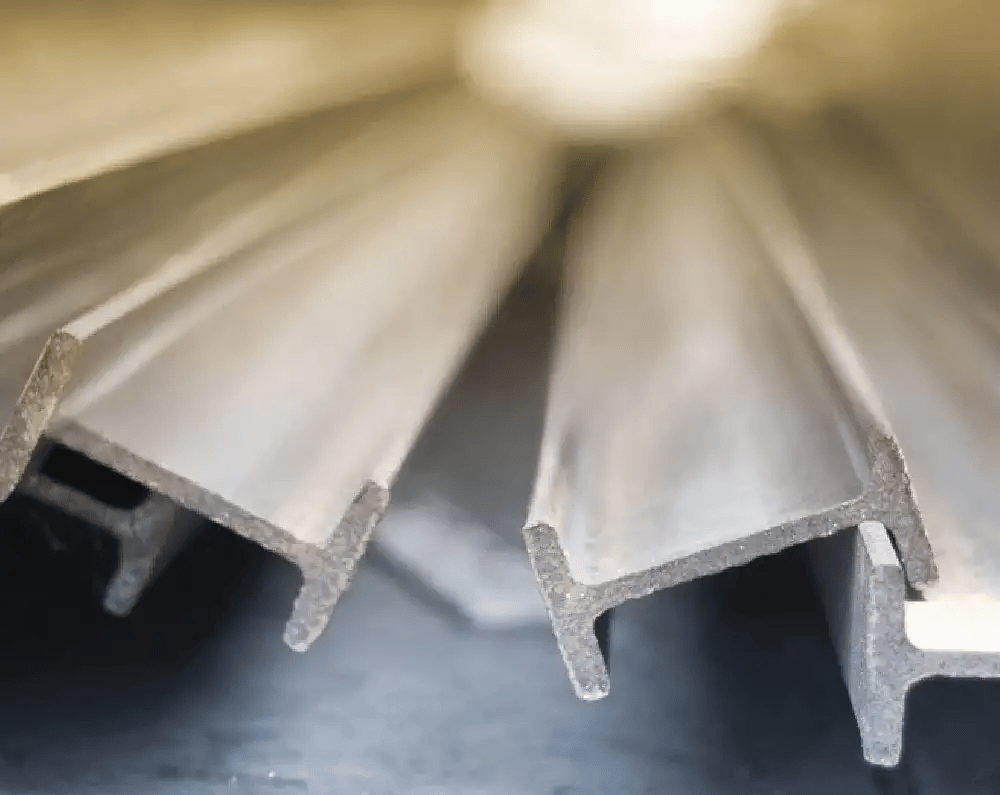
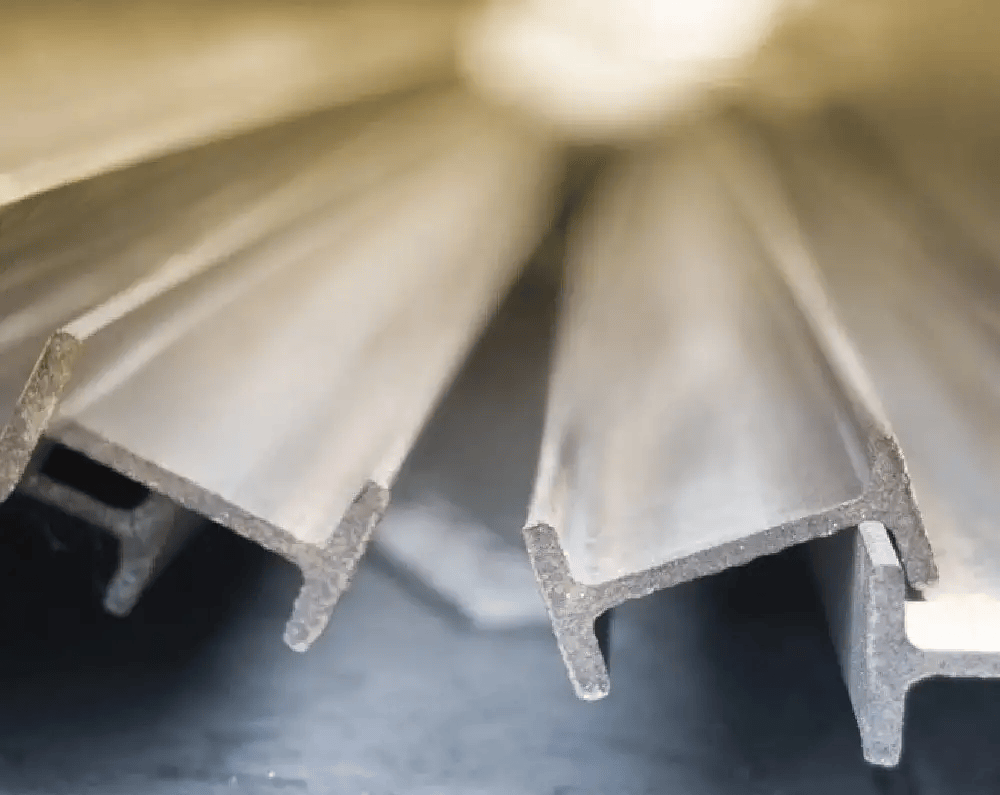
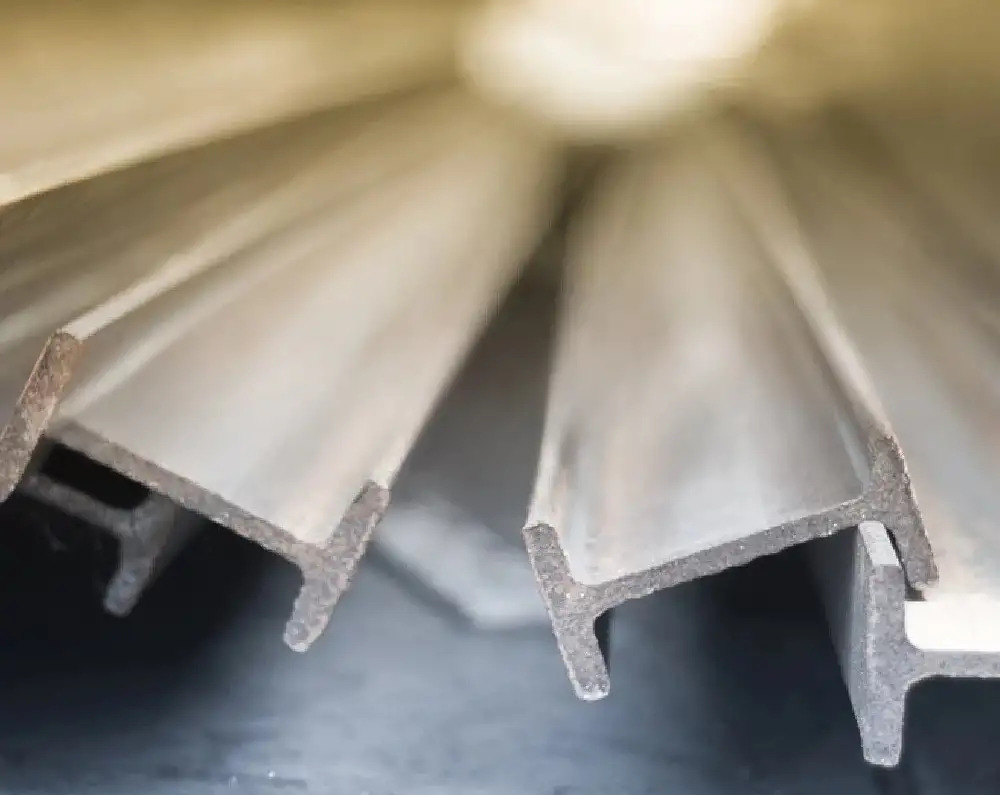
- Structural Steel Sections: Utilizing heavy M.S. H-Beams directly for load bearing, which changes the engineering dynamics from RCC to structural steel framing.
Future Outlook for 2026 and Onward
Engineering trends in 2026 show a clear shift toward micro-alloyed Fe 600 and Fe 650 grades. By introducing precise micro-additions of vanadium and titanium, manufacturers can achieve higher yield strengths while using lower overall metal weights, saving on raw material and shipping costs for large-scale projects.
Step-by-Step Industrial Logistics & Procurement Process Workflow
To ensure supply chain efficiency and material validity, procurement managers should execute their material orders according to this structured operations protocol:
[Phase 1: Structural Rebar Schedule Analysis]
│
▼
[Phase 2: Verification of Mill Test Certificates]
│
▼
[Phase 3: Automated Stockyard Allocation]
│
▼
[Phase 4: Multi-Axle Transport Dispatch & Site Auditing]
- Structural Rebar Schedule Analysis: The corporate procurement team reviews the project's structural blueprints and bar bending schedules (BBS). This step determines the precise quantities, diameters, and yield grades needed for each stage of construction, preventing over-purchasing.
- Verification of Mill Test Certificates: Before releasing payment to a bulk supplier, demand the official chemical and physical test reports for the corresponding mill heat numbers. Ensure that the sulfur and phosphorus levels do not exceed standard regulatory thresholds (under 0.040%).
- Automated Stockyard Allocation: The verified order moves to a centralized steel distribution hub, such as the J.P. Enterprises facility in Raipur. Bundles are sorted by heat number and grade using heavy overhead cranes to prevent mixing primary and secondary stock.
- Multi-Axle Transport Dispatch & Site Auditing: The material is loaded onto long-haul multi-axle trailers equipped with weather protection. Upon arrival at the construction site, quality control engineers run standard weight-per-meter audits before unloading the shipment into the project's secure storage yards.
Metallurgical Quality Comparison Matrix
Understanding chemical and mechanical differences helps prevent catastrophic material failures under high loads.
|
Mechanical & Chemical Property |
Primary Mill Spec (SAIL SeQR / Fe 550D) |
Secondary Scrap Re-Rolled Profiles |
Brand-Agnostic Commercial Stock |
|
Raw Material Input Source |
100% Virgin Iron Ore / Blast Furnace |
Melted scrap iron, old rails, ship scrap |
Unverified mix of secondary billets |
|
Sulfur + Phosphorus Max Limit |
Combined under 0.075% (Excellent purity) |
Often exceeds 0.110% (High brittleness) |
Variable; highly unpredictable |
|
Yield Strength Uniformity |
Consistently $\ge$ stated grade value |
High variance across a single bar length |
Prone to weak zones within a single batch |
|
Elongation at Max Force |
$\ge$ 14.5% (High seismic safety) |
Frequently falls below 10.0% |
Poor; dangerous under dynamic stress |
|
Logistical Scale Fit |
Excellent for heavy industrial layouts |
Limited to small residential builds |
Unsuitable for high-stakes infrastructure |
Application Troubleshooting: Solving Real-World Structural Dilemmas
Scenario A: Bridge Slabs Vulnerable to Deflection and High Shear Stresses
- The Problem: A bridge construction team faces material delays and notices that local sample testing on secondary steel shows inconsistent yield limits, putting the bridge deck at risk of micro-cracking under heavy axle trucks.
- The Solution: The team shifts procurement strictly to certified primary Sail TMT Bars Suppliers in India. Transitioning to factory-direct Fe 550D stock stabilizes the structural load calculation, ensuring the bridge deck handles dynamic shear loads safely.
Scenario B: High-Rise Concrete Foundations in High-Water Table Zones
- The Problem: Deep foundation mats face continuous underground water seepage, exposing standard carbon steel reinforcement to early oxidation and rust-jacking before the full structure is completed.
- The Solution: Procurement sources specialized copper-chrome micro-alloyed primary TMT profiles. The uniform martensitic layer prevents rapid moisture penetration, maintaining the foundational integrity of the skyscraper over its long-term service life.
Industry Case Studies and Statistical Evidence
- Seismic Deflection Testing: Mechanical shake-table evaluations conducted on concrete frames reinforced with Fe 550D primary steel show a 40% improvement in structural integrity during sustained, high-intensity simulated tremors compared to traditional CTD profiles.
- Supply Chain Efficiency Data: Logistics case studies indicate that sourcing steel through centralized transit networks in Raipur reduces delivery lead times for major infrastructure projects by roughly 18%, helping prevent costly downtime during active concrete pours.
Frequently Asked Questions
Why does sulfur and phosphorus content matter in TMT steel procurement?
High sulfur concentrations cause "hot shortness," making the steel brittle and prone to cracking under high welding temperatures. High phosphorus levels lead to "cold shortness," which increases steel brittleness in cold weather. Primary steel keeps these elements to a minimum, ensuring reliable structural safety.
How can we confirm our steel delivery came from a primary mill instead of a secondary mill?
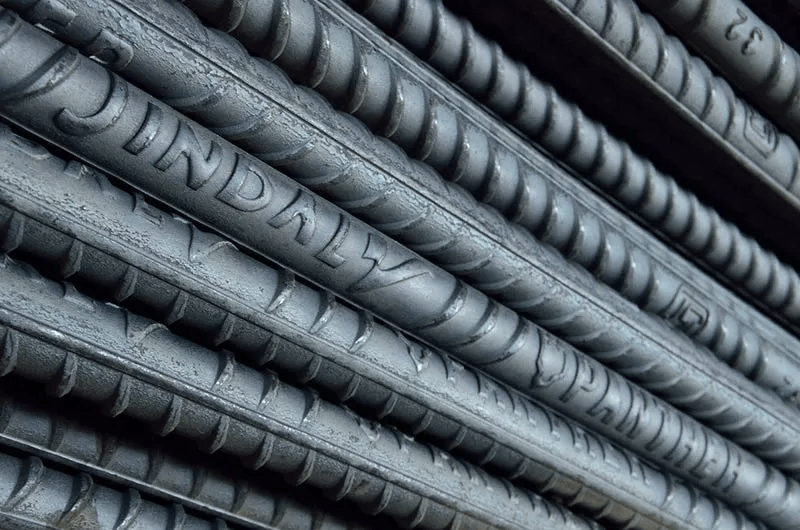
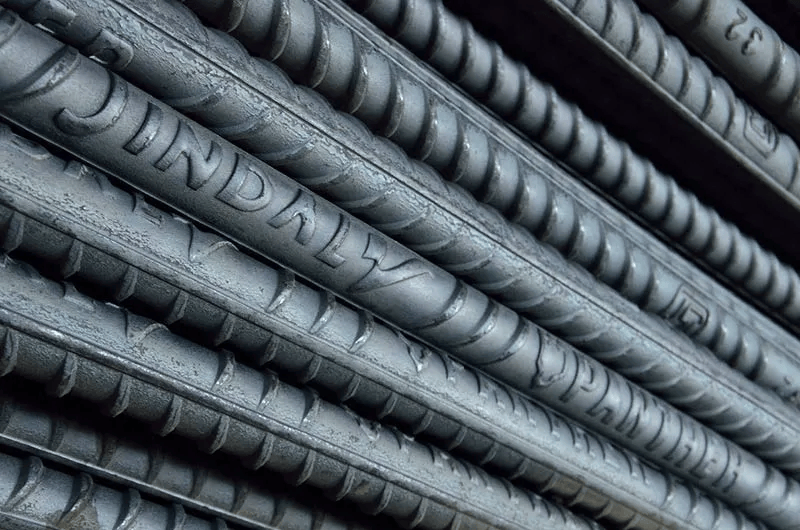
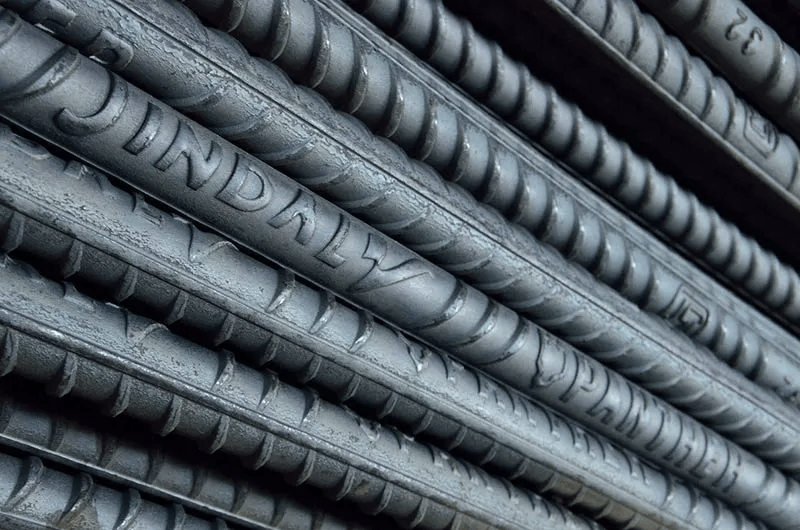
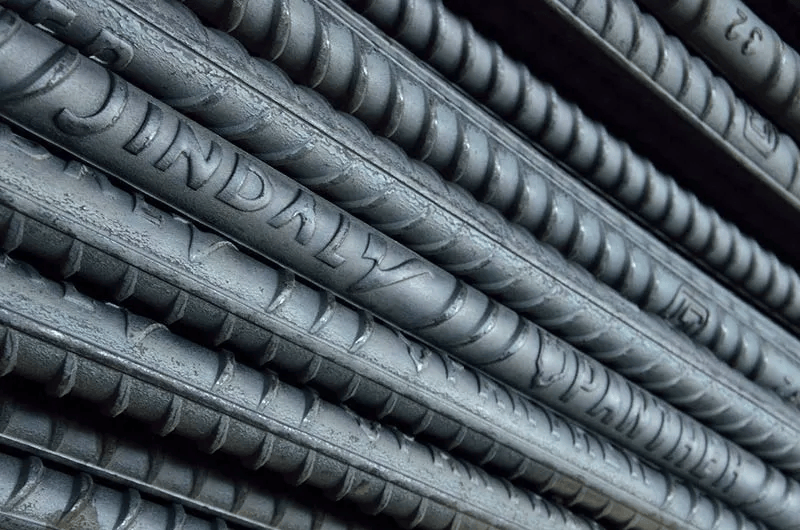
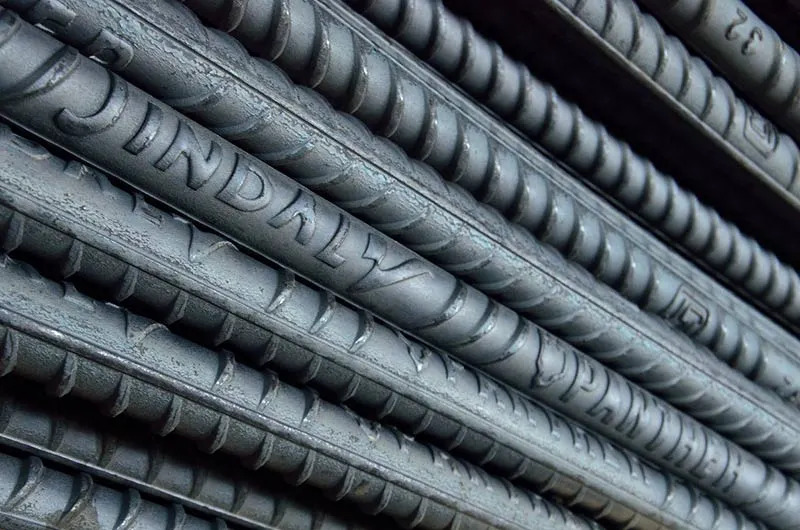
Primary steel features clear, machine-stamped markings at regular intervals showing the brand logo, precise grade designation (like Fe 550D), and the official ISI mark. Additionally, authorized suppliers provide a Mill Test Certificate (MTC) with heat numbers that match the physical tags on the delivered bundles.
What are the main storage guidelines to prevent rust on-site?
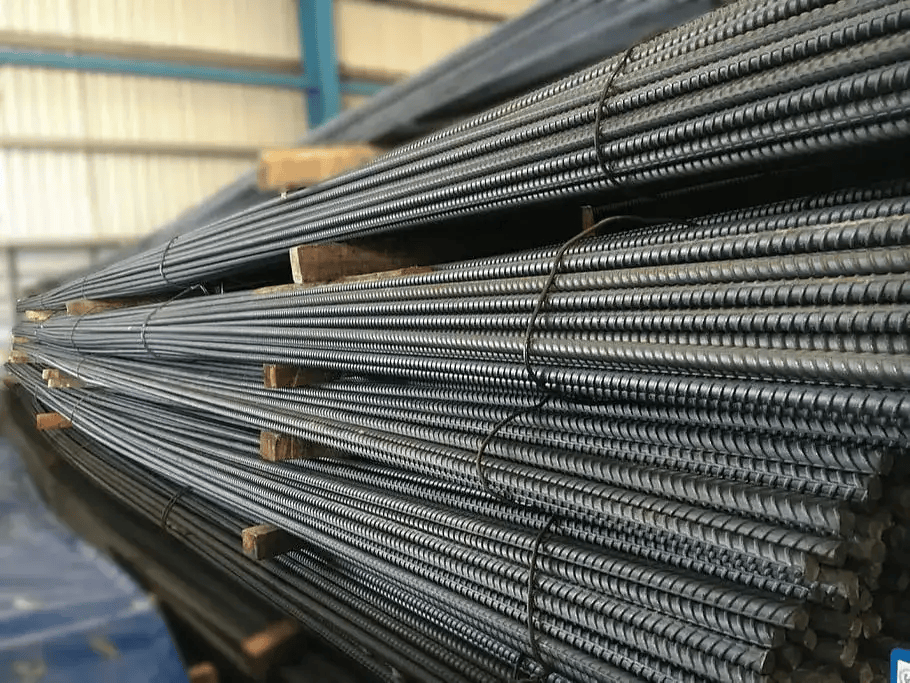
TMT bars should be stored on raised timber or concrete blocks at least 150mm off the ground to avoid ground moisture. If you need to store the steel outdoors during wet weather, cover the bundles with waterproof tarpaulins while leaving the sides open for airflow to prevent condensation.
Why is the Fe 550D preferred over standard Fe 500 for heavy infrastructure?
The Fe 550D grade provides a higher yield strength of 550 MPa along with excellent ductility. This combination allows engineers to design structures that can carry heavier loads using a lighter steel framework, making it the ideal choice for bridges, flyovers, and high-rise foundations.
Connect with Sourcing Experts for High-Volume Supply Solutions
Optimizing your supply chain with certified iron and steel materials requires a partner capable of managing large scales, strict quality audits, and precise delivery schedules. J.P. Enterprises combines over two decades of technical expertise with direct access to primary mill materials, including SAIL, TATA, and Jindal steel networks, ensuring your project remains compliant and on schedule.
To request a custom bulk quote, analyze material schedules, or check current wholesale prices for your project locations, secure a direct line to our logistics team by visiting our J.P. Enterprises Lead and Price Inquiry Portal.